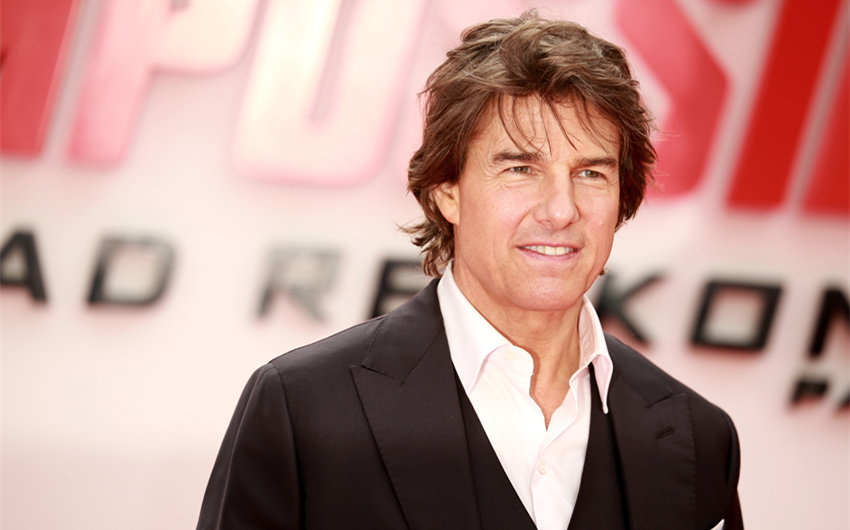
Tom Cruise Net Worth: Estimated 2026 Fortune and How He Earns It
Tom Cruise net worth numbers always spark debate, mostly because his career doesn’t work like a typical “actor gets paid a fee” story. He’s spent decades turning himself into a business as much as a performer—choosing films that scale globally, producing projects where he has more financial leverage, and negotiating deals that reward success long after a movie leaves theaters. Put it all together, and you get a fortune that’s repeatedly estimated in the same high range, even if no public document can pin down an exact figure.
Who Is Tom Cruise?
Tom Cruise is an American actor and producer who became a worldwide star in the 1980s and evolved into one of Hollywood’s most consistent box-office forces. While he’s known for his intensity on screen, he’s equally known for the way he approaches filmmaking as a craft and a business. He’s the face of major franchises like Mission: Impossible and a defining figure behind modern “event movies,” where audiences show up not just for the title but for the experience and the star power.
What separates Cruise from many other A-listers is how deeply involved he tends to be beyond acting. When you’re also producing, shaping creative decisions, and pushing the level of spectacle (often with real stunts), you aren’t simply an employee of the studio. You become a stakeholder in the project’s success—and that stakeholder mindset is a major reason his wealth keeps compounding.
Estimated Net Worth in 2026
Most widely reported estimates place Tom Cruise at roughly $600 million in 2026. You’ll still see different numbers across outlets, because celebrity net worth figures are not audited like a public company’s finances. These estimates generally combine reported salaries, known producer fees, likely backend earnings, real estate holdings, and assumptions about taxes, spending, and investments.
The important takeaway isn’t that the number is “precisely $600 million.” The takeaway is that multiple well-known sources converge around the same neighborhood because the underlying inputs are clear: Cruise has been one of the highest-paid stars in the world for years, and he often structures deals that let him earn far more than a single paycheck.
Net Worth Breakdown: Where the Money Comes From
Blockbuster Salaries: The Upfront Checks
At the base level, Cruise earns massive upfront salaries. For top-tier studio films, it’s normal for the biggest stars to command multi-million-dollar fees, and Cruise has long been in that top bracket. Upfront pay matters because it’s guaranteed money—paid regardless of whether the film becomes a monster hit or merely does “fine.”
Over a career that spans decades, those large checks stack quickly. Even if someone never negotiated anything beyond salary, consistent eight-figure years would build a huge financial foundation. For Cruise, though, salary is more like the floor than the ceiling.
Backend Participation: The Multiplier That Changes Everything
Backend participation is the phrase you’ll hear whenever people try to explain how Cruise’s wealth reaches another level. Instead of taking only a salary, he’s known for negotiating deals tied to performance—often described as a share connected to revenue or profits. The power of this structure is simple: if the movie wins big, he wins bigger.
This is especially valuable in an era where a global blockbuster can generate revenue across theaters, premium large-format screenings, international releases, and long-term distribution. Backend participation can keep paying long after the premiere, and for a star with repeated franchise success, those payouts can be enormous.
It also changes incentives. Cruise tends to bet on movies that can become major cultural moments, because his upside is tied to scale. When a film becomes a worldwide event, a performance-based deal can outpace the upfront fee by a wide margin. That’s the difference between being highly paid and being generationally wealthy.
Producer Economics: Earning Like a Filmmaker, Not Just a Star
Producing adds another layer. When Cruise produces, he can earn producer fees and often gains more leverage in negotiations. That leverage can show up in many forms: more control over the budget, more say in marketing approach, and more ability to structure compensation in ways that reward overall success.
Being a producer also positions him closer to the “business side” of a film. Stars who simply act typically have a narrower view of how money flows through a project. Producers, by contrast, are wired into decisions that can affect profitability—everything from scheduling to scale to distribution strategy. Over time, that knowledge helps you pick better projects and negotiate smarter terms.
In other words, producer income isn’t just a separate paycheck. It’s part of a broader system that helps Cruise capture value from the entire filmmaking process.
Franchise Power: Repeat Success With Compounding Returns
Franchises are the closest thing Hollywood has to blue-chip investments. When a franchise is healthy, it brings predictable audience interest, strong marketing momentum, and worldwide recognition. Cruise’s career has been anchored by exactly that kind of repeatable engine, particularly with Mission: Impossible, where each installment reinforces the brand and keeps his market value high.
Franchise power compounds in several ways. First, it improves his negotiating position. Second, it increases the likelihood of strong backend earnings. Third, it elevates his overall brand, which influences future salaries, partnerships, and opportunities. A franchise doesn’t just pay you once—it helps you get paid more for everything else you do afterward.
Long Career at the Top: Compounding Over Four Decades
One of the most overlooked factors in celebrity wealth is time. Many stars have a short peak. Cruise has maintained a top-tier position across multiple decades, which is financially transformative. Sustained high income gives you years to invest, buy assets, build a portfolio, and absorb setbacks without your finances collapsing.
If you want a realistic explanation for how someone can reach a net worth in the hundreds of millions, this is it: not just “one huge payday,” but a long stretch of high earnings, paired with smart deal structures, repeated hits, and the ability to keep working at the highest level year after year.
Real Estate and Tangible Assets
Like many ultra-high earners, Cruise has been associated with high-value real estate over the years. While the details of any one property can change—homes are bought, sold, and traded—real estate often plays a key role in storing and growing wealth. Premium properties can appreciate significantly over time, and they offer a different kind of stability compared to income that depends on which project you take next.
Real estate can also serve as a diversification strategy. When your career income is linked to entertainment cycles, holding tangible assets helps balance risk. Even if real estate markets fluctuate, long-term ownership of high-quality property has historically been a strong wealth-preservation move for many high-net-worth individuals.
The “Long Tail” of Hit Movies
Blockbusters don’t stop earning once their theatrical run ends. Successful films often continue generating money through distribution, licensing, and long-term catalog value. The exact structure of those earnings depends on contract terms, but for someone known to negotiate performance-based deals, the long tail can be meaningful.
This matters because it turns a career into an asset base. Instead of only earning when you’re actively filming, your past hits can continue to contribute financially, helping explain why Cruise’s wealth remains huge even as he carefully selects projects rather than working nonstop.