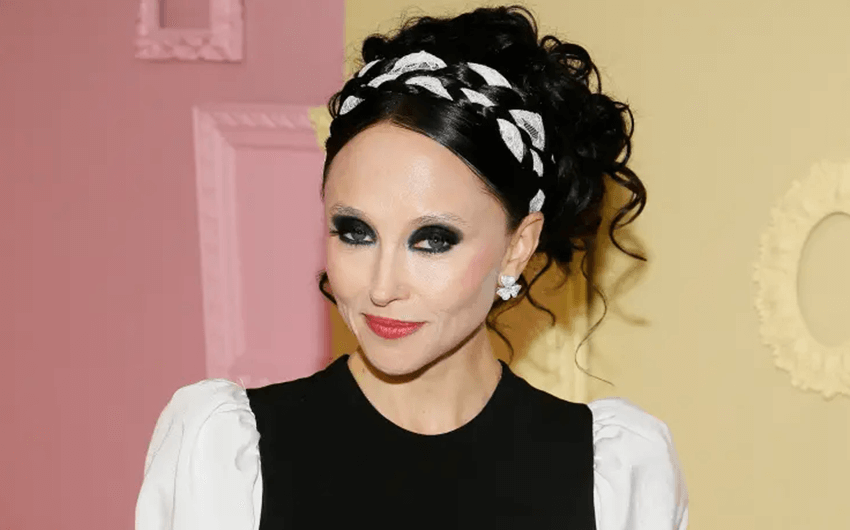
Stacey Bendet Net Worth in 2026: Alice + Olivia’s Growth, Assets, and Income Streams
Stacey Bendet net worth is a common search because she’s one of those fashion founders whose public image looks glamorous, yet the real money story is more business than sparkle. She built alice + olivia into a recognizable global brand, stayed visible in the fashion world for decades, and positioned herself as both a designer and a brand builder. When you combine private-company ownership with a lifestyle that reads “luxury,” people naturally want a number. The truth is that the most accurate answer is a range, because private fashion businesses don’t publish the kind of financial details that make net worth easy to confirm.
Stacey Bendet Net Worth in 2026: A Realistic Range
Because alice + olivia is a privately held company and Bendet’s personal assets aren’t publicly itemized, any net worth figure you see online is an estimate. Still, based on the scale of her brand, her long tenure as founder and CEO, and the typical valuation mechanics of established fashion labels, a reasonable 2026 range is often placed around $10 million to $40 million.
The range is wide for a reason. If she owns a large share of the company and the brand’s valuation is strong, the number can land toward the upper end. If her ownership is smaller, if the business has significant debt or ongoing reinvestment costs, or if profits are uneven year to year, the net worth figure can land lower even with a large public profile.
Why Her Net Worth Is Hard to Pin Down
Fashion founders don’t get paid the way movie stars or athletes do. There’s no public contract, no salary table, and no clear “per-project” fee. Most of Bendet’s wealth likely sits in three places:
- Ownership value in alice + olivia (the biggest driver)
- Compensation and dividends (if the company pays them)
- Personal assets like real estate and investments
And ownership value is the tricky part. A founder can be “worth” a lot on paper because the company is valuable, while still having limited liquid cash if profits are reinvested or if the company’s value is tied up in inventory, stores, and brand equity.
The Main Wealth Engine: alice + olivia as a Brand Asset
Alice + olivia has been around long enough to move past the “trendy new label” phase and into the “established fashion house” lane. That matters because brand longevity increases value. A label that can survive fashion cycles, changing retail environments, and shifting consumer habits tends to be worth more than a brand that only had one hot moment.
For a founder, the value of a fashion company usually comes from:
- Revenue scale (how much the brand sells across channels)
- Margin strength (profitability after production, marketing, and overhead)
- Distribution reach (direct-to-consumer, wholesale, international, e-commerce)
- Brand equity (how durable the name is and how much pricing power it has)
- Operational assets (stores, inventory, contracts, manufacturing relationships)
When a fashion business has multiple sales channels and a consistent customer base, the founder’s ownership stake becomes the main lever of net worth—even if personal salary isn’t enormous.
Founder Compensation: Salary Isn’t the Whole Story
Many people assume a founder’s wealth comes from a giant CEO salary. In private fashion companies, that’s not always true. Founders often keep salaries reasonable and focus on growing the business, especially if they’re still in expansion mode or investing heavily in marketing and retail operations.
Founder compensation can include:
- Base salary (often private and not publicly disclosed)
- Bonuses tied to performance goals
- Dividends or profit distributions if the company is consistently profitable and structured to pay them
- Expense coverage for business-related travel and events (which can reduce personal spending)
Even if a founder’s annual salary is “only” in the executive range, ownership can still create large net worth because equity is where the value compounds over time.
Retail, E-Commerce, and How Fashion Brands Actually Make Money
Alice + olivia operates in the modern fashion reality where revenue streams often include a mix of direct and wholesale channels. That mix matters because it affects margins:
- Direct-to-consumer (brand stores and e-commerce) often has higher margins but higher overhead.
- Wholesale can move volume quickly but usually offers lower margins.
- International distribution can expand reach but can be complex and costly.
For net worth, what matters is not only sales volume but how efficiently the brand converts sales into profit. A brand can be famous and still struggle financially if costs are high, inventory is mismanaged, or expansion outpaces demand. Conversely, a less “loud” brand can generate strong wealth if it runs lean and sells consistently.
The reason Bendet’s net worth is plausibly in the multi-million range is that she built a label with long-term traction and cultural presence. The uncertainty is how much profit the business produces in a given cycle and how her ownership is structured.
Licensing and Collaborations: Extra Revenue Without Building a Whole New Factory
Fashion founders often grow wealth through collaborations and licensing-style deals because they can generate cash and attention without requiring full-scale internal expansion. Collaborations can also push the brand into new categories and bring in customers who might not have discovered the label otherwise.
These deals can create:
- campaign fees and partnership payments
- royalties on products sold
- long-term brand expansion opportunities
They’re rarely the main net worth driver compared to ownership, but they can be meaningful income boosters—especially in years when retail is softer.
Media Visibility and the Value of Being “Fashion Famous”
Bendet’s public profile adds a financial advantage: visibility attracts opportunities. When a founder is recognizable, it can increase:
- brand demand and press coverage
- collaboration offers
- speaking invitations and paid panels
- strategic partnerships with retailers or platforms
Not all of these translate into direct personal income, but they support the brand’s growth, and brand growth feeds back into the founder’s equity value.
Real Estate and Personal Assets: The Hidden Variable
For many high-profile founders, real estate becomes a major part of net worth. A primary home, additional properties, or long-held investments can lift a net worth estimate significantly. But because property ownership details are private unless widely reported and contextualized, they’re often the biggest unknown in public net worth estimates.
This is one reason you’ll see different numbers online. Some estimates assume minimal personal assets. Others assume significant property value. The truth is usually somewhere in between, and without full public records, the best approach is a range.
Costs That Can Reduce Net Worth Even When the Brand Looks Successful
Fashion is expensive to run. Net worth estimates can get inflated when people assume every luxury brand is printing profit. In reality, costs can be heavy:
- inventory risk (unsold product ties up money)
- store overhead (rent, staffing, build-outs)
- marketing (campaigns, events, fashion shows, PR)
- supply chain costs (production, shipping, returns)
- seasonality (some quarters are much stronger than others)
A founder can look extremely successful and still be reinvesting aggressively. That can keep cash lower in the short term while building long-term equity value. This is why wealth in fashion often shows up as “assets and ownership” rather than piles of liquid cash.
What Could Push Her Net Worth Higher After 2026?
If alice + olivia expands profitably, the biggest net worth growth lever is valuation. A few developments that could raise her wealth meaningfully include:
- higher-margin growth through stronger direct-to-consumer performance
- international expansion that scales without crushing overhead
- successful category expansion into accessories, beauty, or lifestyle
- major licensing deals that create recurring royalty income
- a partial sale or investment event that values the company higher and creates liquidity
A liquidity event matters because it turns “paper value” into cash value. Without one, a founder can be very wealthy on paper while still keeping most of that value locked inside the business.
Bottom Line
Stacey Bendet net worth in 2026 is best understood as founder equity wealth tied to a long-running fashion brand. Because her company is private and her personal assets aren’t publicly itemized, there’s no definitive number—but a realistic range is often around $10 million to $40 million, depending on ownership stake, company valuation, profitability, and private assets like real estate and investments.
The most important point is that her wealth likely isn’t built from a “celebrity paycheck.” It’s built from ownership—years of turning a designer label into an enduring business asset that can keep gaining value as long as the brand stays culturally relevant and financially healthy.
image source: https://pagesix.com/2020/05/22/stacey-bendets-app-creatively-slapped-with-cease-and-desist/