Roberta Flack Net Worth in 2026: Estate Value, Royalties, and Legacy Income
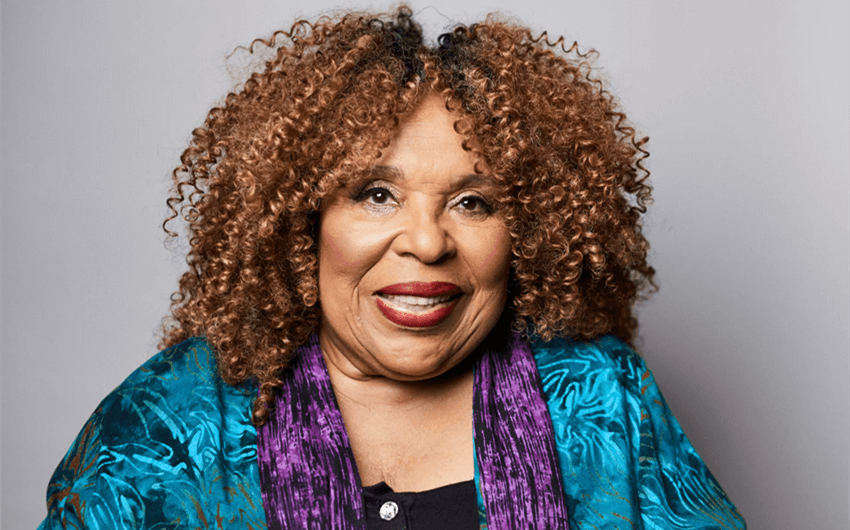
Roberta Flack net worth is a question people keep asking because her music didn’t just define an era—it kept living long after the charts moved on. When an artist’s songs become cultural fixtures, the money story shifts from “touring income” to something quieter and more powerful: royalties, licensing, and an estate that can keep earning. The exact figure is private, but you can still understand what her wealth likely looked like by following the real places legendary catalog money comes from.
Roberta Flack’s Net Worth in 2026: The Most Sensible Range
Because Roberta Flack passed away in February 2025 at age 88, discussions of her net worth in 2026 are essentially discussions about the value of her estate: the assets and income streams tied to her name, catalog, and past earnings. Public estimates have varied for years, and they often don’t agree because they’re built on assumptions. Still, the most realistic “middle-ground” range that fits her career profile is typically around $10 million to $20 million, with some estimates drifting higher depending on how someone values her royalties and long-term licensing power.
It’s worth saying plainly: nobody outside her legal and financial circle can confirm a precise number. But you can make a strong, grounded estimate by understanding the long-term earning structure of an artist with multiple era-defining hits, major awards, and decades of licensing demand.
Why Her Wealth Story Is Different From Most Singers
Many musicians earn their biggest money during a touring peak, then see income slow dramatically. Roberta Flack is different because her most famous recordings didn’t just become “hits.” They became standards—songs people keep rediscovering, replaying, covering, licensing, and using to score emotion in film, television, and advertising.
When a catalog reaches that level, the financial engine becomes less about constant new work and more about intellectual property. That’s the core reason her net worth and estate value remained meaningful even after she stopped performing regularly.
The Hits That Built a Royalty Machine
If you want to understand how Roberta Flack built lasting wealth, start with the songs that never stopped circulating. Her signature recordings—especially “The First Time Ever I Saw Your Face” and “Killing Me Softly with His Song”—have the kind of longevity that keeps money coming in across multiple generations.
Longevity creates multiple overlapping revenue streams:
- Streaming royalties (ongoing, volume-based earnings)
- Digital downloads and physical sales (smaller today, but still present)
- Radio and public performance royalties (traditional broadcasts and certain public uses)
- Synchronization licensing (films, TV, ads, trailers, documentaries)
- Compilation and reissue income (greatest hits, remasters, anniversary editions)
The key point is that these streams can stack at the same time. A single song can earn from streaming while also earning from licensing and reissue sales. For an artist with multiple evergreen tracks, the total can remain significant even without touring.
Record Royalties vs. Publishing: The Big “Ownership” Question
When people talk about celebrity net worth, they often forget the most important detail in music wealth: ownership. A performer can be the voice everyone knows and still own very little of the publishing, depending on how contracts were structured and what deals were made at the time.
In simple terms:
- Master recordings are the actual recorded performances (the “album version” you hear).
- Publishing is the underlying composition (the song as written: melody and lyrics).
Depending on what she owned—or later negotiated—her income could have come more heavily from master royalties, from publishing, or from a combination. That’s one reason public estimates vary so much: two artists with the same famous hits can have wildly different wealth outcomes depending on catalog ownership.
Even without exact ownership details, her career longevity and the enduring market for her songs strongly suggest she had meaningful royalty income through multiple channels across decades.
How Awards and Cultural Status Translate Into Money
Roberta Flack wasn’t just popular—she was validated at the highest levels of the industry. Major awards don’t automatically create wealth, but they increase an artist’s licensing value and long-term marketability. When a song is widely considered iconic, it becomes safer and more appealing for producers, directors, and brands to license it.
That matters because synchronization licensing can be one of the most lucrative forms of income for legacy artists. A well-placed song in a major film or series can generate a meaningful one-time payment, plus an aftershock of streaming and sales as new listeners go searching for the track.
In other words, prestige doesn’t just look good on a plaque—it makes the catalog more “bankable.”
Touring, Live Performances, and the “Earlier Wealth” Years
Even though her later years were shaped by health limitations and she eventually became unable to sing due to ALS, Roberta Flack had decades when live performance and touring were still part of the business. Touring money can be substantial, but it also comes with heavy costs: band payroll, travel, production, management, and logistics.
For many artists, touring creates cash flow that can be converted into long-term assets—real estate, investments, savings, and business ventures. That’s important for understanding net worth in later life: much of the wealth may have been built earlier and then preserved through stable assets rather than continuous touring.
Real Estate and Private Assets: The Biggest Unknown
For most long-career artists, real estate is one of the most significant contributors to net worth—and one of the hardest to confirm publicly. A primary home, additional properties, or long-term holdings can change net worth estimates dramatically.
This is where online net worth numbers become shaky, because private assets are rarely fully visible. One estimate might assume minimal property ownership; another might assume major real estate value. Without public disclosures, both are guessing.
What you can say realistically is that an artist with decades of major-label success and long-term catalog income had the opportunity to build real asset wealth beyond cash and royalties.
The Estate Angle: What “Net Worth” Means After 2025
After an artist dies, the conversation changes. Net worth becomes estate value, and estate value can include:
- Cash and investment accounts
- Real estate and personal property
- Royalties and future income rights from masters and/or publishing
- Contracts, licensing agreements, and brand uses
- Intellectual property tied to name and likeness in some contexts
Just as importantly, an estate can also include obligations: taxes, fees, outstanding bills, and legal costs. That means a headline number can be misleading if it ignores liabilities. A responsible estimate keeps that in mind and stays in a range rather than pretending there’s a single exact figure.
Why Her Catalog Likely Stayed Valuable in 2026
Legacy catalogs tend to become more valuable, not less, when they meet two conditions:
- The songs remain culturally relevant (covered, referenced, used in media, replayed by new generations).
- The recordings fit emotional storytelling (film and TV love timeless, instantly recognizable mood-setters).
Roberta Flack’s catalog checks both boxes. Her music is frequently associated with intimacy, elegance, and emotional clarity—the exact qualities that make songs appealing for dramatic scenes, tributes, documentaries, and biographical storytelling.
That kind of licensing usefulness can keep generating revenue long after the original era, and it can even spike during public moments of renewed attention, like tributes or anniversary releases.
Why Some Net Worth Numbers Online Can Be Misleading
If you’ve seen wildly different figures, you’re not imagining it. A few common reasons estimates swing too high or too low:
- They treat gross revenue like profit (ignoring taxes, fees, and costs).
- They guess catalog ownership without knowing master/publishing splits.
- They confuse “career earnings” with net worth (earnings are not assets).
- They ignore estate liabilities that can reduce the final value.
- They copy old numbers from other sites without updating assumptions.
The smarter approach is to accept that the precise number is private, then estimate using what her career clearly supports: a strong catalog, long-term licensing power, major awards, decades of earnings, and likely accumulated assets.
Bottom Line
Roberta Flack net worth in 2026 is best understood as the value of a legacy artist’s estate—built from decades of success and strengthened by a catalog that kept earning through royalties and licensing. While no public estimate can be confirmed precisely, the most reasonable range for her estate value is typically around $10 million to $20 million, with the exact figure depending on private factors like catalog ownership, real estate, investments, and estate obligations.
What’s not in doubt is the foundation behind the number: Roberta Flack created recordings that became permanent fixtures in popular music, and that kind of cultural permanence tends to generate real, lasting wealth long after the spotlight changes.
image source: https://www.seattletimes.com/entertainment/roberta-flack-grammy-winning-singer-with-an-intimate-style-dies-at-88/