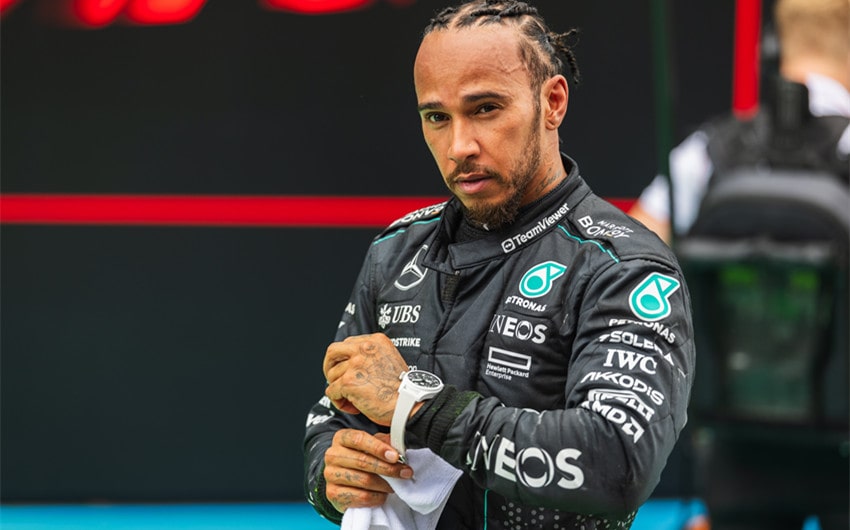
Lewis Hamilton’s Net Worth Explained: Salary, Endorsements, and Investments
Lewis Hamilton’s net worth is a subject of global fascination, reflecting not only his dominance in Formula One but also his influence far beyond the racetrack. As one of the most successful drivers in the history of the sport, Hamilton has built extraordinary wealth through racing contracts, endorsements, and smart business moves. His financial success mirrors his career: strategic, disciplined, and constantly evolving. Understanding how he built his fortune offers insight into how elite athletes turn sporting excellence into long-term wealth.
Who Is Lewis Hamilton? Career Overview and Achievements
Lewis Hamilton was born in 1985 in Stevenage, England, and began karting at a very young age. His talent was obvious early on, and by the time he entered Formula One in 2007 with McLaren, he was already considered a generational talent. Hamilton made an immediate impact, finishing on the podium in his debut race and narrowly missing out on the championship in his rookie season.
He won his first Formula One World Championship in 2008, becoming the youngest champion at the time. His move to Mercedes in 2013 was initially questioned by critics, but it turned out to be one of the most successful decisions in motorsport history. With Mercedes, Hamilton dominated the sport, winning multiple world titles and breaking records once held by legends such as Michael Schumacher.
Today, Hamilton is widely regarded as one of the greatest Formula One drivers of all time, with achievements that form the foundation of his immense net worth.
Lewis Hamilton’s Net Worth: Estimated Figures
Lewis Hamilton’s net worth is widely estimated to be between $300 million and $350 million, depending on the source and market conditions. These figures account for his racing income, endorsement deals, investments, and physical assets such as property.
Net worth estimates vary because athlete finances are complex. Some calculations focus primarily on earnings, while others factor in asset appreciation, business equity, and long-term investments. What is clear, however, is that Hamilton ranks among the wealthiest drivers in Formula One history and among the richest athletes globally.
Formula One Salary and Racing Earnings
A significant portion of Lewis Hamilton’s net worth comes from his Formula One salary. Over the years, he has signed some of the most lucrative contracts the sport has ever seen. During his time with Mercedes, Hamilton reportedly earned annual salaries ranging from $40 million to over $50 million, excluding bonuses.
In addition to base salary, Hamilton received performance-related bonuses for race wins, championships, and podium finishes. Prize money awarded to teams for championship success also indirectly benefited him through contractual incentives.
When combined over more than a decade at the top level of the sport, Hamilton’s racing earnings alone account for hundreds of millions of dollars.
Endorsements and Sponsorship Deals
Endorsements are another major contributor to Lewis Hamilton’s net worth. His global profile, fashion-forward image, and outspoken personality have made him highly attractive to major brands.
Hamilton has partnered with companies across industries, including luxury fashion, sportswear, watches, automotive brands, and lifestyle products. Unlike many athletes who rely on short-term sponsorships, Hamilton often builds long-term partnerships that grow alongside his personal brand.
These endorsement deals reportedly generate tens of millions of dollars annually and continue even during off-seasons, making them a stable and powerful income stream.
Business Ventures and Investments
Beyond racing and endorsements, Lewis Hamilton has strategically diversified his income through investments and business ventures. He has shown strong interest in fashion, media, technology, and sustainability-focused companies.
Hamilton has collaborated with major fashion houses on clothing lines that reflect his personal style and values. He has also invested in film and media projects, recognizing the importance of storytelling and representation.
In addition, Hamilton has put money into technology startups and environmentally conscious businesses, aligning his investments with his advocacy for social justice and climate responsibility. These ventures contribute to his long-term financial growth rather than immediate cash flow.
Real Estate, Cars, and Luxury Assets
Lewis Hamilton’s net worth is also reflected in his impressive collection of assets. He owns luxury properties in major cities, including London, New York, Monaco, and Los Angeles. These properties not only represent lifestyle choices but also serve as long-term investments in high-value real estate markets.
Although known for his love of cars, Hamilton has surprisingly reduced his personal car collection in recent years, selling off several supercars as part of a lifestyle shift. Nevertheless, he still owns select high-end vehicles, along with private jets and other luxury assets associated with his global travel schedule.
These tangible assets add substantial value to his overall net worth.
Philanthropy and Social Impact Spending
While wealth accumulation is a key part of Lewis Hamilton’s financial story, philanthropy also plays an important role. Hamilton has consistently used his resources to support social causes, education, and diversity initiatives.
He founded the Hamilton Commission to address the lack of diversity in motorsport and STEM fields. He has also donated to charities focused on racial equality, disaster relief, and youth development.
Although philanthropic spending reduces liquid wealth in the short term, it enhances Hamilton’s legacy and reinforces his influence beyond sport. His giving reflects intentional use of wealth rather than passive accumulation.
How Lewis Hamilton Manages Wealth Long-Term
One reason Lewis Hamilton’s net worth continues to grow is his long-term financial mindset. Unlike athletes who rely solely on peak earning years, Hamilton has built a portfolio designed to last well beyond his racing career.
He has emphasized brand ownership, equity investments, and intellectual property over one-time payouts. By aligning his financial decisions with personal values, he ensures that his wealth works for him even when he eventually steps away from Formula One.
This approach positions him not just as a wealthy athlete, but as a global entrepreneur.