JoJo Siwa Net Worth: 2026 Estimate and Where Her Money Comes From
JoJo Siwa’s net worth isn’t the result of one hit song or one TV paycheck. It comes from building a youth entertainment brand that turned into a licensing and merchandise machine—then learning how to reshape that machine as she grew up. By 2026, she’s widely viewed as an eight-figure celebrity entrepreneur because her business footprint has always been bigger than her on-screen roles.
Who Is JoJo Siwa?
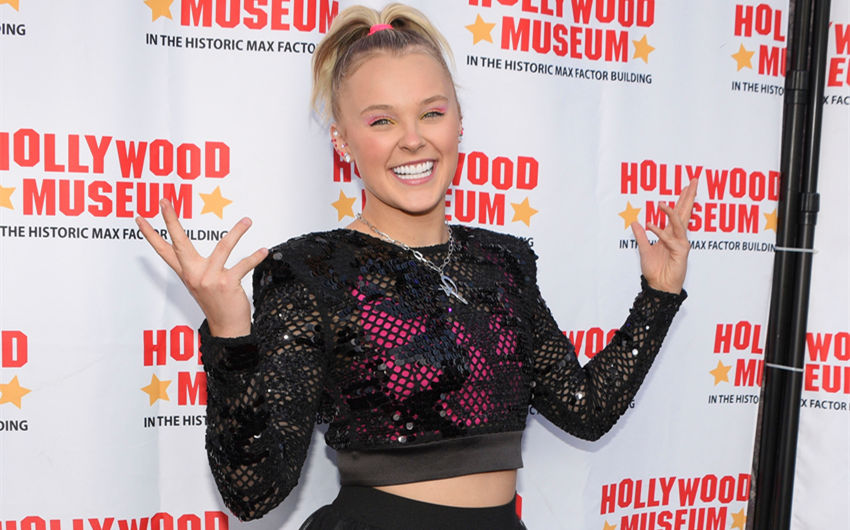
JoJo Siwa is an American dancer, singer, and media personality who first became widely known through competitive dance television and then expanded into mainstream youth stardom through YouTube, music, touring, and a massive merchandise ecosystem. Her brand became instantly recognizable for its bold color, high energy, and the oversized hair bows that turned into a global product phenomenon.
As she’s moved into her 20s, she’s also been reshaping what “JoJo” means as a brand—shifting from a purely kid-focused identity into a broader entertainment and lifestyle direction while aiming for more creative and commercial control over her name and intellectual property.
Estimated Net Worth in 2026
JoJo Siwa’s net worth in 2026 is most commonly estimated at around $20 million. It’s important to treat that as an estimate, not an audited number. A brand like JoJo’s can have years where revenue spikes because of touring, licensing cycles, and product launches, and other years where the focus is on rebuilding ownership, renegotiating deals, or relaunching under a new strategy.
The simplest way to understand the number is this: her wealth is tied less to a single “salary” and more to the long-term value of a consumer brand built around her identity.
Net Worth Breakdown: How JoJo Siwa Built an Eight-Figure Fortune
Merchandise and Licensing
If you want the clearest explanation for JoJo’s wealth, start with merchandise. Her brand didn’t just sell products—it sold an identity kids wanted to wear and parents recognized instantly. That kind of recognizable branding is rare, and it’s exactly what retailers love because it turns into repeat sales across multiple categories.
The signature bows were the public symbol of how big the machine became. When a product becomes a cultural shorthand for a personality, it can scale into huge retail numbers. Even if a celebrity only receives a fraction of total retail sales after manufacturing, retail margins, and licensing splits, the scale can still produce life-changing wealth.
Merchandise also creates compounding brand value. The more products appear in the real world, the more the brand feels unavoidable, which drives more demand for the next product line.
Major Youth Brand Partnerships
Big entertainment partnerships helped JoJo move from popular to ubiquitous. These relationships don’t just pay a fee; they provide distribution, credibility with families, and access to retail pipelines that many creators can’t build on their own.
This is where JoJo became more than a personality. She became a retail presence. Once your name is attached to consumer products across major stores, the business becomes less dependent on views and more dependent on repeat purchasing, which can be one of the strongest drivers of long-term income.
YouTube and Social Media
YouTube played two roles in JoJo’s wealth.
First, it generated direct income through platform monetization. A huge library of highly replayable content can create significant revenue over time.
Second, it acted as her marketing engine. Every video functioned like a free commercial for music, tours, and products. When you can advertise to millions without paying traditional media costs, your business can scale faster and keep more profit.
Youth content is especially powerful because kids replay favorites endlessly, which can keep older videos and songs earning and promoting products long after their release.
Touring and Live Entertainment
Touring matters because it converts fame into high-value transactions. Tickets, VIP experiences, and on-site merchandise can produce major revenue in a short window. For artists with strong kid-and-family audiences, tours can also become a “core memory” experience that deepens loyalty and boosts product demand afterward.
The catch is cost. Tours are expensive: staffing, venues, transport, insurance, production, rehearsals, and promotion add up fast. That’s why a tour can look enormous in gross revenue while the personal profit depends heavily on deal terms and how efficiently the operation is run.
Music and Streaming
Streaming doesn’t usually make a pop star rich by itself unless the numbers are truly massive. Still, music is valuable because it supports everything else. Songs act like intellectual property that keeps the brand emotionally sticky. If kids love a track, they replay it, request it, and connect it to the wider JoJo universe of videos and products.
In JoJo’s case, music wasn’t just a revenue stream. It was fuel for the brand machine.
Television, Media Projects, and Paid Appearances
Media projects can be both a direct payday and a multiplier. Being visible in mainstream entertainment keeps a public figure culturally relevant and makes the next product launch easier to sell. It also tends to raise the price of brand deals, because advertisers pay more for a personality who can hold attention outside one platform.
When someone already has a large audience, each additional media opportunity can expand the business into new demographics and new revenue categories.
Real Estate and Assets
Like many young stars who earned big early, JoJo has also been associated with real estate decisions that can function as both lifestyle and wealth storage. Property can be a way to preserve and grow wealth outside entertainment cycles. When managed well, it becomes a quiet contributor to net worth through appreciation and strategic sales.
Brand Control and Relaunching Strategy
One of the most important long-term factors for JoJo’s wealth is control. When a star owns more of their brand and intellectual property, the economics improve. You might sell fewer units than during peak “kid empire” years, but you can earn more per unit because fewer middle layers take a cut.
This is the difference between being the face of a machine and owning more of the machine. Over time, that shift can matter as much as any single big year of touring or merchandise sales.