Jannik Sinner Net Worth: 2026 Estimate, Who He Is, and Where the Money Comes From
Jannik Sinner’s net worth story is what happens when elite results meet modern tennis business economics. Prize money still matters, but the biggest accelerators for a top player today are long-term sponsorship contracts, appearance opportunities, and brand value that grows every time you win on the biggest stages. By 2026, Sinner isn’t just a champion—he’s a global sports property, and his income reflects that.
Who Is Jannik Sinner?
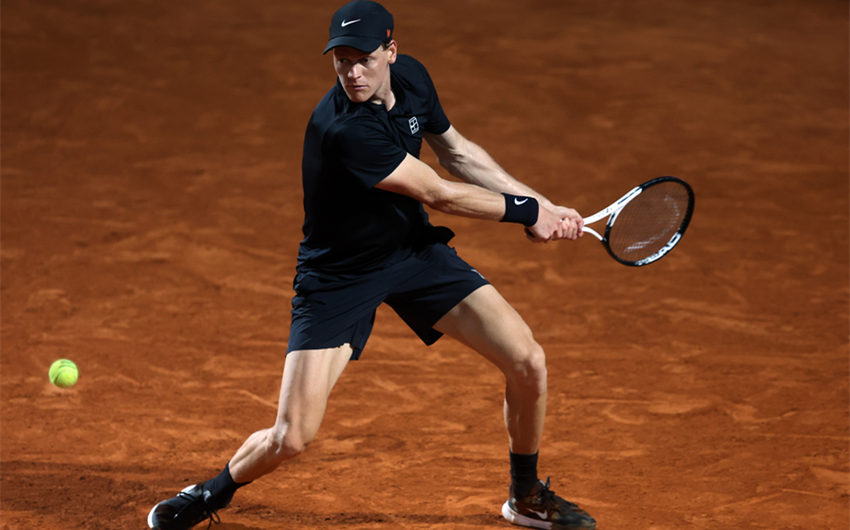
Jannik Sinner is an Italian professional tennis player and one of the defining stars of his generation. He rose from top prospect to ATP Tour powerhouse in just a few seasons, becoming a fixture at the sport’s biggest tournaments and a marquee name for sponsors. On court, he’s known for calm decision-making under pressure, heavy baseline hitting, and a steady, disciplined style that holds up in long rallies.
Off court, Sinner has become a “face of the sport” figure—meaning brands don’t sign him only for wins. They sign him for longevity, global appeal, and credibility. That’s a major reason his off-court income has grown quickly alongside his on-court success.
Estimated Net Worth in 2026
Most widely circulated 2026 estimates place Jannik Sinner’s net worth at about $40 million. As with any athlete estimate, the exact total can move depending on taxes, agent fees, investments, and how endorsement deals are structured. Some agreements pay annually, some include bonuses, and many are designed to scale with performance and ranking.
The bigger point is that Sinner’s wealth isn’t built on one payday. It’s built on a high-income platform that combines tournament success with major commercial partnerships, which tends to produce steady, compounding growth year after year.
Net Worth Breakdown: Where the Money Comes From
Tournament Prize Money
At the top of tennis, prize money can be enormous—especially when you consistently reach late rounds at Grand Slams and Masters events. Sinner’s career prize money has grown rapidly because he’s been in the deep rounds of big tournaments year after year.
Still, prize money is not the same as personal wealth. Players pay taxes in multiple jurisdictions and carry major ongoing costs: coaching, fitness, physio, travel, lodging, trainers, hitting partners, equipment support, and management. Even after those costs, prize money remains a major base layer for net worth because it is earned directly from performance and can be reinvested into assets and long-term financial planning.
Endorsements
For many top players, endorsements eventually become the bigger story than prize money because sponsorship income can be more predictable and less dependent on winning every single week. Sinner’s sponsor appeal is especially strong because he combines elite results with a clean public image and global marketability.
Long-term endorsement contracts also tend to create compounding value. The more visible and successful a player becomes, the more leverage they gain for renewals, escalators, and new categories of partnerships. This is a major reason Sinner’s net worth estimates have risen so quickly: his off-court income is designed to keep growing as his career builds momentum.
Equipment and Performance Partnerships
Beyond headline sponsorships, equipment partnerships can generate steady income through annual payments and performance bonuses. Tennis gear deals often include incentives tied to ranking, tournament performance, and visibility, which can be meaningful for a player consistently competing near the top.
These partnerships also function as brand reinforcement. When a player is constantly seen with the same equipment and apparel, it strengthens recognition and makes future sponsorship negotiations easier because brands prefer athletes with consistent identity and long-term appeal.
Luxury and Premium Brand Positioning
Sinner’s public profile has also placed him in a premium brand tier. When an athlete becomes attractive to luxury partners, the economics can change. Luxury endorsements are often less about short-term stats and more about image, consistency, and reputation—qualities that can hold value even through normal performance swings.
This premium positioning can increase the stability of a player’s income. While prize money rises and falls based on results, premium sponsorship deals often run on multi-year cycles and are built around long-term association rather than week-to-week form.
Annual Earnings Momentum
The reason Sinner’s wealth trajectory feels steep is simple: he’s earning at a very high level across multiple categories at the same time. Strong tournament runs fuel prize money. Those results also fuel sponsorship leverage. Sponsorship visibility then fuels further opportunities, which increases total annual earnings and creates more room for investing and asset growth.
When a player stays healthy and competitive, the compounding effect can be dramatic. That’s why net worth estimates for top tennis players often climb quickly once they reach true superstar status.
Costs, Taxes, and Why Estimates Vary
Even at the top, professional tennis operates like a high-revenue, high-expense business. Running a world-class team is costly, and global taxes can be complex. That’s why different sources produce different net worth numbers: some models treat gross earnings as if they flow straight into personal wealth, while more conservative estimates assume significant annual expenses and fees.
The safest way to interpret net worth estimates is as a snapshot based on public signals: reported earnings, sponsorship strength, and the typical financial structure of a top player’s career.