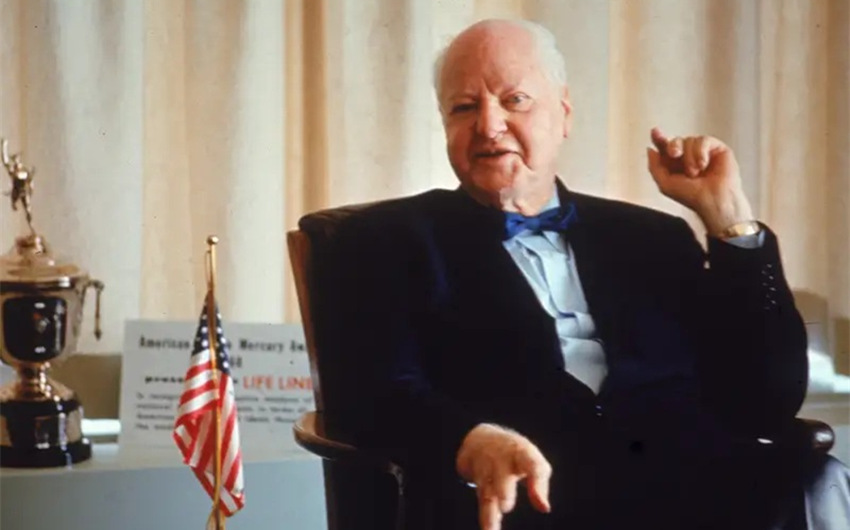
H.L. Hunt Net Worth at Death: Estimated Fortune and Where His Money Came From
H.L. Hunt net worth is the kind of number that still sounds unreal because it was built in an era when oil money could turn one good deal into a dynasty. Even today, his fortune is discussed as one of the largest personal oil fortunes of the 20th century. The only catch is that there was never a single public balance sheet with every asset and liability neatly listed, so the best you can do is work with the most credible historical estimates and explain what actually created that wealth.
Who Was H.L. Hunt?
H.L. Hunt (Haroldson Lafayette Hunt) was an American oil tycoon who rose from modest beginnings to become one of the richest men in the world. He is best known for building Hunt Oil and for securing an early stake in the East Texas Oil Field, which became the financial engine behind the Hunt family’s long-running wealth.
Unlike many wealthy figures who held large public stock portfolios, Hunt was famous for preferring businesses he could control directly. He tended to build and own companies outright rather than spreading his wealth across widely visible public markets. That approach helped him stay private, but it also means modern net worth discussions rely heavily on historical reporting and “best estimate” calculations rather than fully transparent public records.
Estimated Net Worth of H.L. Hunt
Most widely repeated historical reporting places H.L. Hunt’s net worth at the time of his death (November 29, 1974) in the range of $2 billion to $3 billion. In the early-to-mid 1970s, that kind of money put him in the same conversation as other legendary ultra-wealthy figures of the era.
You may also see smaller numbers referenced in older contexts, especially when people quote estimates from earlier decades. For example, some reporting from the 1950s placed his wealth in the hundreds of millions at the time, which can look “low” next to the multi-billion estimates tied to his death. That doesn’t automatically mean one figure is wrong. It usually means the estimate is tied to a different year, different asset assumptions, and the reality that his fortune continued to grow as his businesses expanded and oil economics changed.
The most realistic way to read the net worth question is this: H.L. Hunt was likely worth a few billion dollars by the time he died, and because he owned private companies and hard assets, the exact number depends on how those holdings are valued. That’s why you’ll see a range rather than a single “confirmed” figure.
Breakdown: Where H.L. Hunt’s Wealth Came From
The East Texas Oil Field deal
The cornerstone of Hunt’s fortune is tied to the East Texas Oil Field, one of the most important oil discoveries in U.S. history. Hunt secured rights connected to that oil region early enough that the upside was enormous. In simple terms, he positioned himself to benefit from a major energy resource before its full long-term value was widely realized.
This kind of deal is what creates generational wealth. When you’re early to a resource with massive production potential, you’re not just earning income year by year. You’re building an asset base that can keep producing cash flow for decades and can be expanded into additional ventures.
Hunt Oil and the power of a privately controlled company
Hunt didn’t just make money from one oil play. He built an operating company. That difference matters.
Owning an oil company can create wealth in multiple layers at once: profit from production, ownership of reserves and leases, long-term cash flow, and the ability to reinvest into new drilling and property acquisition. And because Hunt’s business interests were private, the company’s value wasn’t constantly broadcast like a public stock price. That privacy can make modern net worth discussions less precise, but it also helps explain why historical reporters often described his wealth as “hard to calculate.”
When you control a private company, your wealth can be enormous even if your name doesn’t show up attached to a giant public stock position.
Oil leases and land ownership
One of the most reliable ways oil wealth grows is through the combination of leases and land. The oil itself generates revenue, but the land and mineral rights can become valuable assets that appreciate over time or generate payments through royalties and related arrangements.
Hunt’s strategy wasn’t purely about short-term deals. He built an asset base that could keep producing money even when the market shifted. In many oil fortunes, the “secret sauce” is that the money doesn’t only come from selling oil; it comes from owning the rights and infrastructure around it.
Diversified businesses beyond oil
While oil was the foundation, Hunt also had business interests outside the energy sector. Ultra-wealthy people often diversify not because they’re bored, but because diversification protects the fortune and creates more growth paths.
In Hunt’s case, his non-oil ventures are often described as a mix of practical, asset-heavy businesses. Some may not sound glamorous, but they fit a consistent logic: build or buy things that can be owned outright, generate steady profit, and remain valuable across market cycles.
This diversification also helps explain why the “net worth at death” estimates trend higher than what you might assume from oil alone. A fortune that big is rarely one single stream. It’s usually multiple streams stacked together.
Real estate and long-term Texas asset building
For many industrial-era fortunes, real estate is a major hidden contributor. Property can hold value, appreciate over decades, and act as a stable store of wealth regardless of what commodity markets are doing.
While the most famous part of Hunt’s story is oil, long-term wealth at his scale typically includes real estate holdings—whether through direct ownership, business property, or land connected to industrial operations. Even if a net worth estimate doesn’t list every property, real estate often plays a quiet but meaningful role in keeping a fortune large and resilient.
Bottom Line
H.L. Hunt net worth at the time of his death is most commonly estimated at $2 billion to $3 billion, making him one of the wealthiest individuals of his era. The fortune was built primarily through oil—especially early positioning in the East Texas Oil Field—then reinforced through private company ownership, land and mineral rights, diversification into other businesses, and long-term asset building. Because much of his wealth was held privately and in hard assets, the exact figure will always be a range, but the bigger truth is clear: Hunt’s fortune was massive, and it was built to last beyond a single lifetime.
Featured Image Source: https://www.businessinsider.com/who-are-hunt-family-net-worth-kansas-city-chiefs-owners#haroldson-lafayette-hunt-made-his-fortune-in-the-oil-industry-1