Caitlin Clark Net Worth: 2026 Estimate, Who She Is, and Earnings Breakdown
Caitlin Clark’s net worth climbed fast because her career arrived at the perfect intersection of performance and modern sports economics. She didn’t just become a star—she became a media and merchandise engine for women’s basketball. That matters because the biggest money in her world isn’t coming from a rookie salary alone. It’s coming from endorsement scale, signature product potential, and the kind of brand visibility that turns a great player into a global business.
Who Is Caitlin Clark?
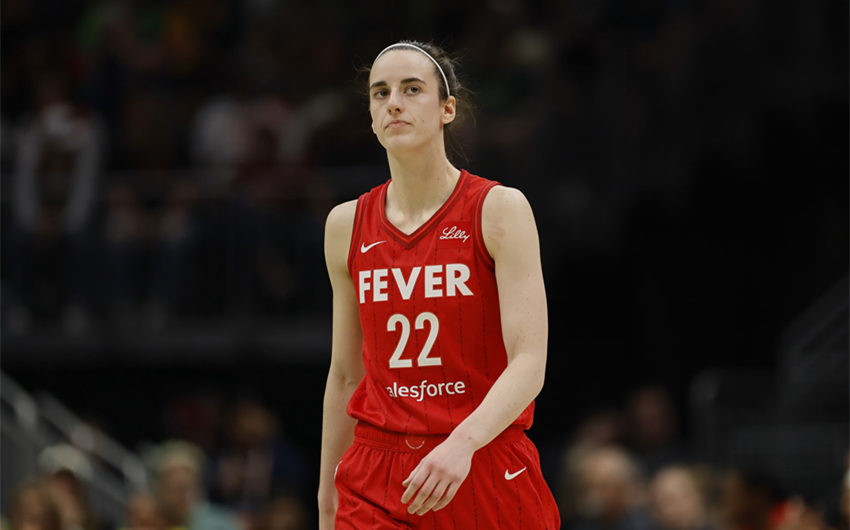
Caitlin Clark is a professional basketball player for the Indiana Fever and one of the most recognizable names in modern women’s sports. Before the WNBA, she became a household name at the University of Iowa by breaking major scoring records and reshaping the popularity of women’s college basketball with her deep shooting, playmaking, and big-game presence. In 2024, she was selected first overall in the WNBA Draft, and her pro debut instantly became one of the biggest attention magnets the league has ever seen.
What separates Clark from a typical top pick is that her fame isn’t limited to basketball fans. She crossed into mainstream culture—meaning her earning power is built not only on what she does on the court, but on how many people watch, talk about, and buy into the brand attached to her name.
Estimated Net Worth in 2026
Most widely circulated estimates place Caitlin Clark’s net worth around $20 million in 2026. That figure is an estimate, not a public accounting statement, and it depends on assumptions about endorsement income, taxes, agent fees, and how quickly money from multi-year deals is paid out. Still, the “around $20 million” range shows up frequently because the inputs are easy to understand: her WNBA salary is modest by design under the league’s rookie scale, while her sponsorship portfolio is unusually large for a second-year pro.
A realistic way to interpret the estimate is this: Clark’s net worth is being driven primarily by brand deals and long-term commercial value, with her playing contract functioning more like a baseline credential than the main paycheck.
Net Worth Breakdown: Where the Money Comes From
WNBA Rookie Contract (Reliable, but Not the Main Event)
Clark’s WNBA income is the most straightforward piece to track, and it also explains why fans are often shocked. According to Spotrac’s contract listing, she signed a four-year rookie deal worth $338,056 with the Indiana Fever, with annual salaries that rise gradually over the contract term. In other words, her basketball salary is real money—but it’s not the kind of money that creates an eight-figure net worth by itself.
That’s why her wealth story has to be understood in the context of the modern athlete economy. The WNBA contract gives her the platform and the league visibility; the endorsements are where the financial acceleration happens.
Nike Deal (The Cornerstone of Her Commercial Value)
The biggest headline driver of Clark’s wealth is her Nike relationship. Major reporting in 2024 described a deal valued at $28 million over eight years, paired with plans for a signature shoe. That kind of structure matters because it signals long-term commitment, not a short-term sponsorship. It also places her in a rare category: an athlete whose brand is expected to sell products for years, not just appear in ads for a season.
Even if you assume she doesn’t receive the full amount immediately (which is typical for multi-year contracts), the deal changes her financial foundation. A long-term agreement like that creates predictable income, strengthens her leverage with other brands, and increases the value of her overall endorsement portfolio because companies prefer to align with athletes who have staying power.
Other Major Endorsements (Multiple Streams, One Star)
Clark’s sponsorship list is large, but a few partnerships stand out because they reflect how brands see her: not as a niche athlete, but as a mainstream figure.
Wilson Sporting Goods announced a multi-year partnership with Clark in May 2024, including plans tied to signature basketball products. For an athlete, product collaboration can be more valuable than a standard sponsorship because it links your name to something people buy repeatedly, not just a logo you wear.
State Farm is another notable relationship because it demonstrates the “national household brand” level of her appeal. Insurance advertising is expensive and reputation-sensitive, so when a company like that puts an athlete into major campaigns, it’s usually because they believe the athlete can connect with a broad, multi-generational audience.
She’s also been associated with additional major brands through NIL and early professional visibility, which is important for the net worth conversation because it means she has diversified sponsorship income rather than relying on one single contract.
NIL Momentum and the “Early Wealth” Advantage
Unlike athletes from earlier eras, Clark entered the WNBA with meaningful earning power already proven through NIL. That head start matters in two ways. First, it means she likely began building personal wealth before her first professional game. Second, it taught brands that she can convert attention into results—views, engagement, and ultimately sales.
That history makes professional endorsements easier to negotiate. Brands don’t have to guess whether she “moves the needle.” They can look at real performance data from campaigns and partnerships and then pay accordingly.
Trading Cards, Memorabilia, and Licensing (Not Just Hype)
Clark’s collectible market has been unusually strong for a women’s basketball player, and it’s become part of her broader money ecosystem. Panini announced an exclusive multi-year partnership with Clark for trading cards and memorabilia, which signals that her name has long-term value in the collectibles market, not just a short-term spike.
Collectibles can impact wealth in a few ways. There may be direct payments or royalties tied to licensing agreements. There can be appearance-related opportunities connected to launches. And there is a brand amplification effect: when an athlete dominates memorabilia headlines, it increases cultural presence, which strengthens the overall endorsement portfolio.
The key point is that this isn’t only about collectors paying big numbers at auction. It’s about the commercial infrastructure around her name expanding into more categories—each one adding another revenue stream.
Media, Appearances, and the “Attention Dividend”
For a superstar, attention is a form of currency. Clark’s visibility drives invitations, campaigns, interviews, and special projects that can pay directly or indirectly by increasing her leverage. Even when a media opportunity doesn’t come with a giant check, it often increases the value of her next endorsement negotiation, because brands pay for reach and cultural relevance.
This is one reason net worth estimates rise quickly for athletes like Clark: the more visible you are, the more valuable every partnership becomes, and the easier it is to stack deals without needing to say yes to everything.
Costs, Taxes, and Why Net Worth Is Not the Same as “Earnings”
Finally, it’s important to understand what net worth actually reflects. Even with major deals, athletes pay taxes, agent commissions, management fees, legal/accounting costs, travel, security (sometimes), and personal spending. Many also invest heavily—either in conservative assets or in business ventures—which can increase long-term wealth but reduce short-term liquidity.
That’s why you’ll see estimates, not precise numbers. Without private financial statements, outsiders can’t perfectly calculate what she keeps versus what she earns. The best you can do is evaluate the known pillars—WNBA salary scale, major endorsement reporting, and the scope of her licensing partnerships—and arrive at a credible range.
Featured Image Source: https://parade.com/celebrities/caitlin-clark-net-worth