Jordan Roth Net Worth in 2026: Broadway Theaters, Stakes, and Income Streams
Jordan Roth net worth is a question that keeps coming up because his career sits at the intersection of art, real estate, and high-stakes entertainment business. He isn’t “just” a producer with a few credits—he has been a major Broadway theater owner, a multi–Tony Award-winning producer, and a top executive figure connected to the company that now controls a significant chunk of Broadway’s most valuable real estate. When your work includes owning the buildings that shows play in, the wealth conversation naturally gets bigger than the typical “celebrity paycheck” math.
Jordan Roth Net Worth in 2026: A Realistic Range, Not a Perfect Number
No public document lays out Jordan Roth’s personal balance sheet, so any number you see online is an estimate. Still, his business milestones provide enough structure to form a sensible range.
In 2026, the most realistic way to think about Jordan Roth net worth is that he is very likely in the nine-figure category, with a reasonable working range of roughly $100 million to $350 million. You’ll see some estimates land in the low hundreds of millions, and a few push higher. The wide range exists because the biggest part of his wealth is not a simple salary—it’s equity, ownership stakes, and long-term value tied to theater assets and corporate ownership.
So instead of treating net worth as a single “true” figure, it’s smarter to understand what actually builds it.
Why Jordan Roth’s Wealth Works Differently Than Most Producers
Broadway producers can be famous and still not be wildly wealthy. Producing income can be hit-or-miss, and a show can be a triumph creatively while barely breaking even financially. Theater ownership is different. Owning theaters—prime Broadway houses—can create steady value through rentals, presenting fees, long-term strategic leverage, and participation in the broader ecosystem of commercial theater.
Jordan Roth’s wealth story is built around three overlapping lanes:
- Theater ownership and equity (the big one)
- Producing royalties and profit participation (powerful, but project-dependent)
- Executive leadership and future upside through corporate roles and shares
Once you recognize that mix, the size of the estimates makes more sense.
The Core Asset: Jujamcyn Theaters and the Value of Broadway Real Estate
Jordan Roth rose to the top of Broadway’s ownership class through Jujamcyn Theaters, the company behind several major Broadway houses. Owning a portfolio of prime theaters is comparable to owning high-demand commercial property in a rare, prestige market. There are only so many Broadway theaters. Control over them is scarce. Scarcity drives value.
In the business of Broadway, the theater itself can be as powerful as the show inside it. A producing team may come and go, but a theater owner stays positioned to benefit from the ongoing cycle of productions, rentals, and long-term appreciation of the asset class.
This is why Jordan Roth is frequently discussed as more than a producer. He has been a gatekeeper in the literal sense: he helped control stages that other producers needed.
The Deal That Shapes Modern Estimates: The 93% Stake Sale and the Portfolio Valuation
A major reason net worth chatter spiked is the deal in which a controlling stake in Jujamcyn’s theater portfolio was sold. Public reporting around the transaction described a sale of a 93% stake in the portfolio in a deal that valued the theaters at approximately $308 million, with Jujamcyn leadership retaining the remaining 7%.
Why does this matter for net worth? Because when a portfolio gets valued in a real transaction—not a rumor, not a speculative blog post—you get a concrete reference point. Even if you don’t know exactly how the ownership was split among individuals, you do know that the company’s theater assets were valued at a level that supports serious wealth for major stakeholders.
And Jordan Roth wasn’t a minor stakeholder. Public descriptions of the deal and the resulting structure emphasized his continued significance in the combined organization.
What “Largest Individual Shareholder” Implies
After the combination of operations between Jujamcyn and a major international live entertainment company, Jordan Roth was widely described as the largest individual shareholder of the combined enterprise and took on a high-level creative leadership role.
That phrase matters because it shifts the conversation from “How much did he make?” to “How much does he own?” Ownership is where net worth can become enormous—even if annual salary is “reasonable” by executive standards.
When an executive holds a meaningful stake in a large entertainment enterprise, net worth becomes tied to:
- the valuation of the company
- the liquidity of their shares
- whether those shares are restricted or structured to vest over time
- how the company performs in the years after the deal
This is the biggest reason estimates vary so widely. If you assume a relatively small equity stake, the number stays closer to “a few hundred million at most.” If you assume a larger stake with meaningful upside in a growing global company, the estimate can climb quickly. Without seeing the cap table, you can’t pin it down exactly—but you can understand why the wealth discussion is legitimately big.
Producing Credits: The Money Behind the Tony Wins
Jordan Roth is also a successful producer with major credits associated with big, award-winning titles. Producing income can come from:
- recoupment participation (earning after the investors are paid back)
- weekly producing royalties once a show is running
- subsidiary rights (touring productions, licensing, international versions)
- cast recordings and media in some deal structures
For blockbuster shows, these streams can be significant. For shows that tour for years or get licensed widely, the long tail can be meaningful. But producing is still a portfolio game: not every production is a cash machine, and even successful shows can have complex profit waterfalls.
Still, a long track record of high-profile work matters financially because it tends to create repeat opportunity. When a producer is known for quality and success, they see better deal flow, more favorable structures, and stronger leverage with investors and partners.
Executive Compensation: The “Smaller” Piece That People Overestimate
When someone holds a major title at a big entertainment company, people naturally assume the salary is the main wealth driver. For Jordan Roth, it likely isn’t. Executive compensation can be large, but for someone whose wealth is primarily equity-driven, salary is often a smaller layer compared to the value of ownership stakes.
In other words, the annual paycheck might be impressive, but the net worth is usually built by what he owns—especially if a large portion of his wealth is tied to corporate shares or deal-based equity.
Real Estate and Lifestyle: What It Suggests (and What It Doesn’t)
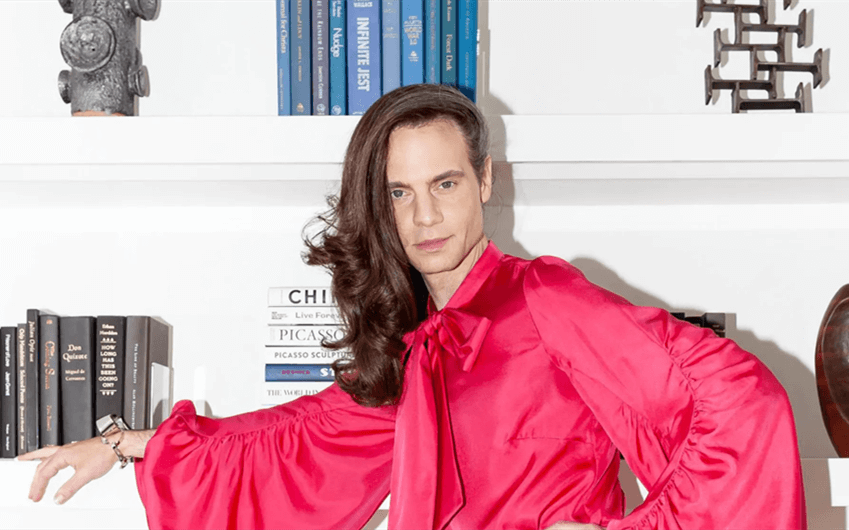
Jordan Roth has a highly visible personal style and has been featured in major fashion and design coverage, which feeds curiosity. But lifestyle signals are not financial proof. High-fashion appearances can involve lending, gifting, or brand relationships. Luxury interiors can be financed, mortgaged, or tied to long-term property investment rather than pure liquid wealth.
That said, high-value real estate ownership is common among people whose wealth is tied to New York business circles, and property can be a meaningful part of net worth. But because those details are private unless publicly recorded and contextualized, they shouldn’t be used as the primary basis for a net worth estimate.
Family Background and Business Positioning
Jordan Roth comes from a family with major presence in both theater and large-scale real estate business. That doesn’t automatically determine personal net worth, but it can affect access, education, mentorship, and deal-making networks—things that can accelerate a career in industries where relationships and capital access matter.
It also helps explain why he was able to move quickly into ownership and high-level control earlier than many people in the theater world.
Why Online Numbers Can Be Wildly Different
If you’ve seen estimates that range from “a few million” to “hundreds of millions,” the reason is simple: most celebrity net worth sites don’t model ownership structures well. They often miss the difference between:
- annual income vs. asset value
- cash vs. equity
- gross deal value vs. personal proceeds
- company valuation vs. liquid net worth
For someone like Jordan Roth, the central question is not “How much does he make per year?” It’s “How much of a valuable, scarce asset class does he own, and how is that ownership structured?”
What Could Move His Net Worth Up or Down After 2026?
Jordan Roth’s wealth is likely sensitive to corporate valuation and the growth of large-scale live entertainment. A few factors that could push his net worth higher include:
- increased valuation of the broader entertainment company he holds shares in
- expansion of live entertainment markets and premium venue control
- successful new productions that generate long-running royalties
- additional equity deals tied to creative leadership and strategic projects
Factors that could slow growth or reduce net worth include:
- industry downturns that reduce theater attendance and venue profitability
- corporate restructuring that changes equity value or liquidity
- major reinvestment cycles that reduce cash but build long-term assets
This is another reason a range is more honest than a single number: the structure of his wealth makes it responsive to big industry forces.
Bottom Line
Jordan Roth net worth in 2026 is best understood as ownership-driven wealth. His position in Broadway theater ownership, the transaction that valued the Jujamcyn theater portfolio at roughly $308 million, and his described status as a major individual shareholder in a combined live entertainment enterprise all point toward a nine-figure financial profile.
Because the exact equity structure is private, there’s no definitive public number—but a realistic range of roughly $100 million to $350 million matches the scale of the assets and the kind of ownership leverage his career has been built on. The headline isn’t just that he produces award-winning theater. It’s that he has owned the stages where Broadway’s biggest successes happen—and that kind of ownership is where the real money lives.
image source: https://www.out.com/fashion/2019/9/20/jordan-roth-gay-fashion-icon-we-deserve