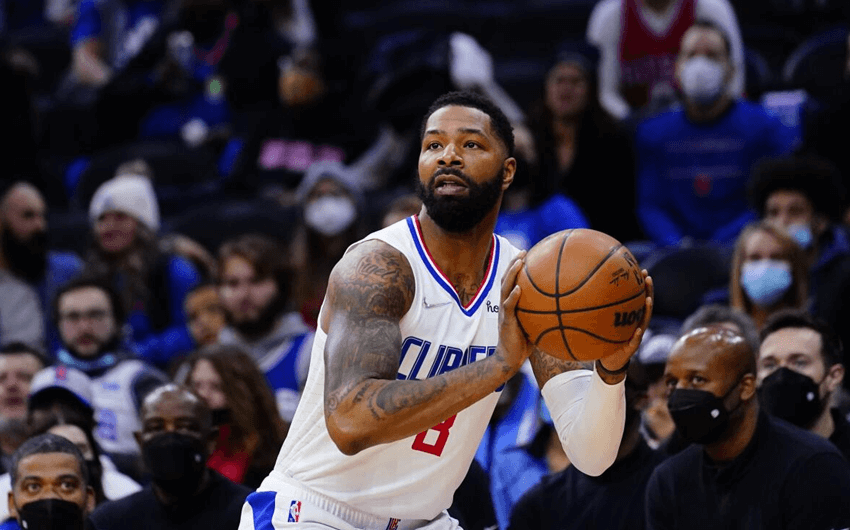
Marcus Morris Net Worth in 2026: NBA Earnings, Deals, and Financial Outlook
Marcus Morris net worth is a popular search because he’s had a long NBA run with multiple sizable contracts, yet his career path hasn’t followed a single-team “franchise star” storyline. He’s been a high-level role player for years, signed meaningful deals at different stages, and earned real money across the league—so it’s natural to wonder what all of that adds up to today.
Marcus Morris Net Worth in 2026: A Realistic Range
Net worth is not the same as salary, and it isn’t the same as “career earnings.” It’s the value of what someone owns (cash, investments, property, business stakes) minus what they owe (mortgages, loans, taxes due, other liabilities). Because athletes don’t publish their investment portfolios or spending habits, any net worth figure you see online is an estimate.
With that said, a grounded, realistic range for Marcus Morris in 2026 is typically in the $15 million to $30 million neighborhood, with some estimates pushing a bit higher depending on assumptions about investing and lifestyle. The reason that range makes sense is straightforward: his NBA career earnings are well into nine figures, but taxes and professional fees are significant, and not every dollar earned becomes lasting wealth.
Career Earnings: The Strongest Clue You Can Actually Measure
When estimating an NBA player’s net worth, the best public anchor point is career earnings. Marcus Morris has played for many teams and reached the kind of veteran status that usually comes with both consistent pay and bargaining leverage.
Over the course of his NBA career, he’s earned well over $100 million in NBA salary alone. That doesn’t mean he has $100 million sitting in an account. It means he has had the opportunity—if managed wisely—to convert a large portion of that income into long-term assets.
To understand why the net worth estimate lands in the eight-figure range instead of mirroring nine-figure career earnings, you have to understand what usually comes out of those paychecks.
Why Net Worth Is Much Lower Than Career Earnings for Most Players
Even for players with big contracts, the “take-home” picture changes dramatically after the standard realities of professional sports:
- Taxes: NBA players pay federal taxes and are also taxed based on where they live and where they play games. The total effective tax burden can be very high.
- Agent fees: Agents typically take a percentage of playing contracts and sometimes additional percentages for marketing deals.
- Financial management: Many players use financial advisors, accountants, business managers, and attorneys—each with fees.
- Training and health costs: Offseason training, nutrition, performance staff, bodywork, and recovery can cost tens of thousands annually, sometimes more.
- Lifestyle and family support: Housing, travel, vehicles, and helping family members are common, and expenses often rise with income.
After those deductions, a player can still build significant wealth—especially someone with Morris’s level of earnings—but the gap between “earned” and “kept” is the difference between a headline number and a real net worth estimate.
His Biggest Contract Years: Where the Money Accelerated
Marcus Morris didn’t build his earnings through a single megamax deal. He built it by stacking meaningful contracts over time—especially once he established himself as a dependable forward who could score, defend, and play tough minutes.
One of the most important phases of his earning arc came when he reached the point in his career where teams were paying for proven production and playoff-ready experience. Those mid-career veteran deals often become the financial peak for high-end role players. They’re large enough to change wealth outcomes, and they often arrive after a player has already had years to learn how to manage money and build a professional support system.
In practical terms, those were the years when Morris could begin converting salary into lasting wealth: buying property, building investment accounts, and planning beyond basketball.
The 2026 Context: Later-Career Earnings and “What Comes Next”
By 2026, Marcus Morris is in a later-career phase. For players at this stage, net worth growth often comes from a mix of:
- Residual NBA money (including any final contracts, partial guarantees, or short-term deals)
- Investments built during peak salary years
- Real estate appreciation
- Post-NBA income like media, coaching, training, or business roles
When an athlete’s playing salary slows down, the question becomes less about “How big is the next contract?” and more about “How well did the previous earnings get preserved and invested?” That’s why two players with similar career earnings can have very different net worth outcomes.
Endorsements and Off-Court Money: Smaller Than Superstars, Still Meaningful
Marcus Morris has never been marketed like the league’s most famous superstars, and that matters. The biggest endorsement money usually goes to players who are both elite and globally recognizable. But endorsement income isn’t an all-or-nothing category.
Even without being the top face of the NBA, veterans can earn solid off-court money through:
- Sneaker and apparel partnerships
- Local and regional brand deals tied to the teams they play for
- Appearances at events and sponsored functions
- Social media promotions depending on following and engagement
For someone like Morris, endorsements probably aren’t the main engine of wealth compared to salary, but they can still add a meaningful layer—especially in seasons where a player is visible in the playoffs or tied to a major market.
Real Estate: A Common Wealth Builder for NBA Veterans
For many players, real estate becomes one of the most practical ways to hold wealth long term. If an athlete buys property during peak earning years, the value can increase over time, and the asset can remain even after basketball income declines.
Real estate also fits the lifestyle of an NBA career: players often need housing in different locations, and later they may consolidate into one primary home while keeping additional properties as investments. Not every player does this, but it’s common enough that it belongs in any serious discussion about net worth.
Investing and Business: The Biggest Unknown in Any Net Worth Estimate
The biggest reason net worth figures vary so widely is that investments are private. If Marcus Morris has been conservative—index funds, diversified portfolios, steady real estate, low debt—his net worth could land toward the higher end of the realistic range. If he has taken on expensive ventures, high-risk investments, or significant ongoing costs, the number could be lower even with the same career earnings.
In modern sports, players also explore business opportunities like:
- Brand ownership or equity deals (taking a stake rather than just a paycheck)
- Fitness and training ventures
- Community and youth sports programs
- Media and content work that transitions into a post-playing career
Any one of these can meaningfully affect net worth—but unless it’s publicly disclosed, it remains an educated guess.
How to Think About Marcus Morris Net Worth Without Getting Tricked by Bad Estimates
A lot of net worth websites publish numbers that look precise but are often built on shaky assumptions. A better way to think about it is to keep your estimate “anchored” to verifiable realities:
- He has earned over $100 million in NBA salary across his career.
- Taxes and fees likely remove a large portion of gross earnings.
- Later-career status means new salary may not be as large as peak years.
- True net worth depends heavily on private decisions: investments, property, and spending.
If you keep those points in mind, the most sensible conclusion is that he is very likely an eight-figure net worth athlete, not a nine-figure one, even though his career earnings are in that nine-figure territory.
Bottom Line
Marcus Morris net worth in 2026 is best understood as the result of a long NBA career with high total earnings, balanced by the realities of taxes, fees, and the unknowns of private investing. With career salary well over $100 million and multiple strong contract years on the books, a realistic estimate places him around $15 million to $30 million in net worth, with the exact figure depending on how successfully his peak earnings were preserved and grown.
Regardless of the exact number, the overall financial picture is clear: Marcus Morris has made enough in the NBA to secure long-term wealth, and the final shape of that wealth is largely determined by what happened off the court—how he invested, how he managed costs, and how he planned for life after playing.
image source: https://www.latimes.com/sports/clippers/story/2022-01-22/nba-los-angeles-clippers-philadelphia-76ers-marcus-morris-grieving