Ryan Reynolds Net Worth: 2026 Estimate and a Clear Breakdown of His Wealth
Ryan Reynolds’ net worth isn’t built on acting paychecks alone—and that’s the real story. Yes, he’s a major movie star, but his biggest financial leaps came from ownership, smart deal-making, and turning his personal brand into a marketing engine that grows companies. By 2026, he’s widely estimated to be worth hundreds of millions, largely because he’s repeatedly positioned himself to benefit from long-term enterprise value rather than one-time endorsement fees.
Who Is Ryan Reynolds?
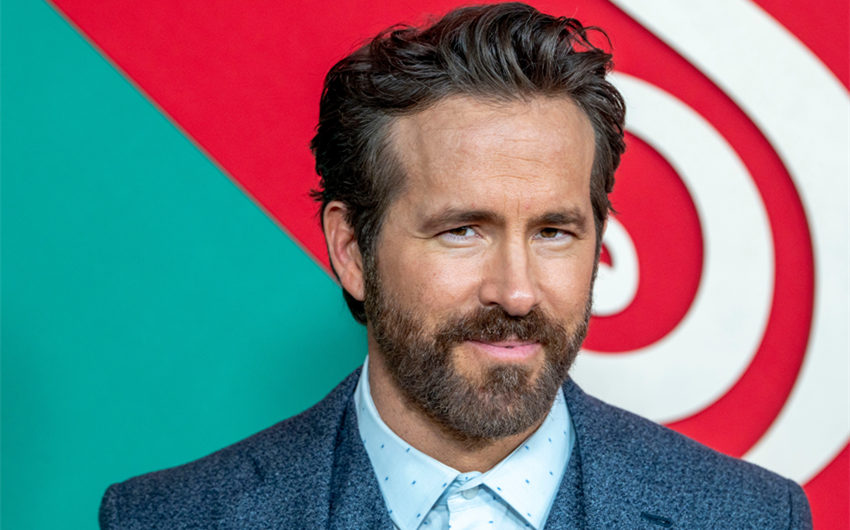
Ryan Reynolds is a Canadian actor, producer, and entrepreneur best known for playing Deadpool and for building a modern celebrity-business model. On screen, he’s led major films across studios and streaming platforms. Off screen, he’s become known for investing in brands he can personally help scale, using humor and fast, effective marketing as a competitive advantage.
That approach is what separates him from many celebrities with similar fame. Instead of treating business ventures as side projects, he has often taken meaningful ownership stakes and helped drive growth. When you combine that with a long-running film career, the result is a wealth profile that looks less like “actor money” and more like “operator and investor money.”
Estimated Net Worth in 2026
Ryan Reynolds’ net worth in 2026 is commonly estimated at around $350 million. Net worth figures are always estimates because private ownership stakes, taxes, business reinvestment, and deal structures aren’t fully public. Still, the repeated reporting around the same range reflects a clear reality: he has had several high-value business outcomes on top of sustained Hollywood earnings.
Net Worth Breakdown: Where the Money Comes From
Acting Income: Big Salaries That Built the Base
Reynolds has earned substantial upfront salaries as a leading man in big studio projects and streaming releases. That income created the financial foundation that made everything else possible: investing, taking equity positions, and funding opportunities that don’t pay off overnight.
There’s also a hidden benefit to acting income at his level: leverage. Successful films keep his profile high, strengthen his negotiating position, and make him a “safe bet” for partners. That leverage doesn’t just raise his acting pay—it increases what he can command in business relationships, too.
Deadpool and Franchise Leverage: More Than a Typical Role
Deadpool didn’t just elevate Reynolds creatively—it increased his market value. In major franchises, money often comes from how a deal is structured, not only the headline salary. Performance incentives, bonuses, and other participation terms can dramatically raise earnings when a project becomes a cultural phenomenon.
Even without pinning everything on one contract detail, the broader effect is clear: being the face of a wildly successful franchise can create years of higher compensation and better business opportunities. Franchises can turn a star into a long-term brand, and long-term brands are where wealth compounds fastest.
Mint Mobile: Ownership That Turned into a Major Exit
One of Reynolds’ biggest wealth accelerators came from Mint Mobile. What made this different from a standard celebrity partnership was that he wasn’t just the pitchman—he had an ownership stake and actively helped shape the brand voice.
When a company like that is acquired, it can change a net worth overnight. The final personal gain depends on the size of the stake, the mix of cash and stock in the deal, and taxes. But strategically, it’s the kind of outcome that turns “celebrity money” into “equity money,” and equity money is where the biggest jumps happen.
Aviation Gin: Building Brand Value, Then Cashing the Value
Aviation American Gin followed a similar blueprint. Reynolds helped grow the brand with marketing that felt organic, funny, and highly shareable. The key point isn’t simply that he promoted it—it’s that he benefited from the brand’s overall value growth.
When a larger company acquires a brand, the creator’s upside can be significant if they own a meaningful portion. That kind of sale can generate a large payday, and it reinforces a pattern: Reynolds repeatedly chooses business roles that reward long-term value creation rather than short-term endorsement checks.
Maximum Effort: Monetizing Marketing Skill as a Business Asset
Reynolds didn’t just become known for marketing—he built an actual business around it. Maximum Effort grew into a creative and production operation that helped brands produce fast, memorable campaigns.
From a net worth perspective, this matters because a successful marketing business can generate wealth in multiple ways: ongoing revenue, profit distributions, and potential value if ownership is sold or restructured. It also strengthens everything else he does by giving him a built-in capability: the ability to create and distribute attention at scale.
Wrexham AFC: Sports Ownership and Long-Term Upside
Reynolds’ ownership of Wrexham AFC is often treated as a feel-good story, but it also carries real business implications. When a club’s profile rises, it can unlock new sponsorships, stronger merchandise sales, growing ticket demand, and broader media value.
Sports ownership is rarely “easy money.” Clubs can require investment, and growth comes with costs. Still, as valuations rise and outside investors show interest, an ownership stake can become a meaningful asset. Even if it doesn’t produce a quick personal payout, it can add long-term value to a portfolio.
Other Investments and Real Estate: The Quiet Compounding Layer
At Reynolds’ level of wealth, much of the financial story becomes less visible. High earners typically hold value in real estate and diversified investments that help stabilize wealth over time. This isn’t the flashy part of the story, but it’s often the part that keeps a fortune intact.
When you combine major income streams with real assets and reinvestment, net worth becomes more resilient. It’s no longer entirely dependent on whether the next movie hits big.