Raf Simons Husband Question Answered: Career, Calvin Klein Era, and Legacy Today
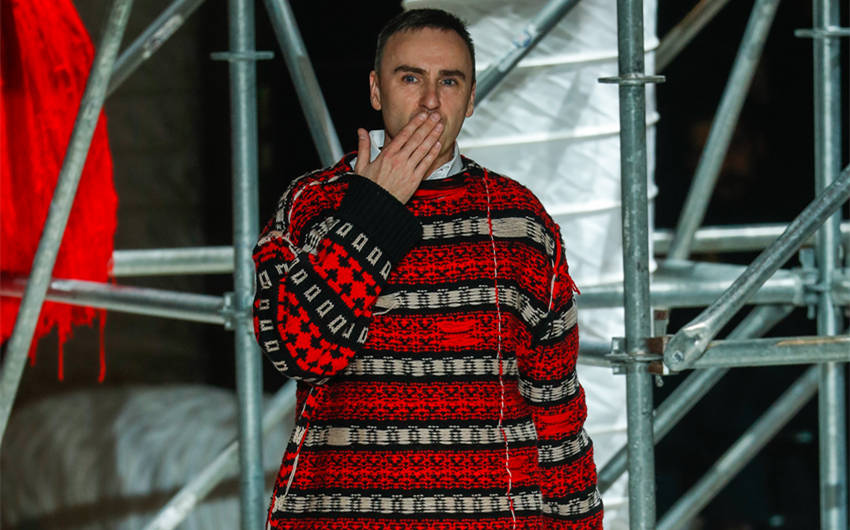
If you searched “raf simons husband,” here’s the direct answer: Raf Simons is not publicly known to be married, so there’s no confirmed husband to name. What’s far more solid (and far more interesting) is Raf Simons himself—one of the most influential designers of the last three decades, famous for turning youth culture, music, and sharp tailoring into a fashion language that changed how modern menswear looks.
Who Is Raf Simons?
Raf Simons is a Belgian fashion designer who became a defining voice in contemporary menswear and, later, womenswear. He’s often described as a “designer’s designer,” the kind of creative whose work shapes the industry even when you don’t realize you’re looking at it. You can see his fingerprints in the silhouette of modern street-luxury, in the idea that a runway can feel like a concert, and in how fashion began taking youth subcultures seriously rather than treating them as costume.
He didn’t come up through the classic fashion-school-to-atelier route. That outsider energy is part of why his work felt disruptive early on: it wasn’t built to please tradition. It was built to express a mood.
The Raf Simons Style in One Sentence
If you’ve ever tried to describe Raf Simons in a hurry, it comes down to this: clean lines, intense emotion, and youth as a force. His work can look minimal at first glance, but it’s rarely neutral. There’s usually a tension underneath—the feeling of a teenager discovering identity, the edge of rebellion, the quiet violence of beauty that feels too precise.
He is also known for his ability to make “simple” look loaded. A slim coat, a sharp trouser, a plain knit—then one detail shifts the entire meaning. That’s his power: not loud decoration, but controlled atmosphere.
How He Got Started
Raf Simons was trained in industrial design before entering fashion. That background matters because it shows up in how he thinks: structure, proportion, function, and the way a shape can communicate emotion. When he launched his own label in the mid-1990s, he didn’t present himself as a traditional couturier. He presented himself as someone building a new kind of uniform for modern life—especially for young men who didn’t see themselves represented by glossy luxury imagery.
In his early years, he became known for small shows that felt personal and charged. The clothing was strong, but the context mattered just as much: the casting, the soundtrack, the posture of the models. He wasn’t just designing outfits. He was designing a world.
Why Youth Culture Was Central to His Work
Raf Simons didn’t treat youth as a marketing demographic. He treated youth as a psychological state: longing, confusion, intensity, and the hunger to belong while also refusing to conform. That’s why his runway shows often carried the emotional energy of music scenes—post-punk, new wave, techno, and the kinds of subcultures where style is survival language.
He also brought a rare sincerity to the idea of teenage identity. He didn’t mock it. He didn’t “adult it up.” He amplified it—sometimes tenderly, sometimes harshly, but always seriously.
Key Era: Jil Sander and the Precision Years
One of the most important chapters in Raf Simons’ career was his time leading Jil Sander. That period sharpened his reputation as a master of minimalism with emotional force. Jil Sander’s heritage is clean, refined, and disciplined, and Raf brought a new kind of electricity to that discipline—still precise, but with a pulse.
For many fashion observers, his work there proved he wasn’t only a cult menswear figure. He could lead a major house, respect its DNA, and still inject his own modern voice. It was a “serious designer” era, and it elevated him into a different tier of influence.
Dior and the Shift Into Romantic Modernity
Another headline chapter was his time at Dior. Raf Simons at Dior is often remembered for balancing the brand’s heritage with a modern, stripped-back elegance. He leaned into architecture, proportion, and clarity, creating collections that felt refined without becoming stiff.
What stood out in that era was his ability to make luxury feel fresh rather than dusty. He understood that modern women didn’t necessarily want “princess fantasy” from couture. They wanted power, ease, and beauty that didn’t feel like a performance.
That Dior period also cemented him as a designer who could handle extreme pressure. Big houses aren’t only about creativity; they’re about speed, expectations, and delivering a vision under constant scrutiny. Raf survived that environment and left a lasting imprint.
The Calvin Klein Era and American Minimalism Rewired
When Raf Simons moved to Calvin Klein, it became one of the most discussed fashion stories of its time. It wasn’t just a job change; it was a cultural experiment: what happens when a European auteur designer takes on a deeply American brand and tries to turn it into something cinematic?
His Calvin Klein work leaned into Americana, art references, and a kind of unsettling beauty—sometimes praised as brilliant, sometimes criticized as too intellectual for mass commercial expectations. But even people who didn’t love every collection understood what he was attempting: to turn American minimalism into something sharper, stranger, and more emotionally charged.
That chapter is part of his legend because it shows the real tension in fashion: creativity versus commerce. Raf pushed hard on the creative side, and the industry learned (again) that even famous designers can collide with the financial realities of big brands.
His Own Label and Why It Mattered So Much
Raf Simons’ personal label became a home base for his purest ideas—especially in menswear. It’s where his obsession with youth, music, and silhouette could be expressed without compromise. For years, the label produced some of the most influential pieces in modern fashion: oversized outerwear, sharp tailoring, graphic knitwear, and references that pulled from underground culture rather than polite luxury tradition.
Even people who never bought the clothing felt its impact, because the “Raf” sensibility spread. Once his ideas hit the runway, they echoed through other designers, street style, and eventually the broader fashion market.
In the early 2020s, Raf Simons announced the end of his label, a move that shocked many fans because the brand had been so culturally important. But it also fit a pattern in his career: he doesn’t cling to identity out of nostalgia. He moves forward, even when the industry begs him to stay still.
Prada and the Co-Creative Chapter
In the 2020s, Raf Simons took on a major role co-leading Prada’s creative direction alongside Miuccia Prada. This partnership was significant because it paired two strong minds: Miuccia’s intellectual, subversive approach and Raf’s youth-driven, architectural intensity.
The result was a new kind of Prada conversation—one that leaned into “ugly beauty,” tension, contradiction, and the feeling that fashion doesn’t need to be pretty to be compelling. For Raf, it also signaled something interesting: he wasn’t only a solo auteur anymore. He was willing to collaborate at the highest level, shaping a house through dialogue rather than pure personal control.
Why Raf Simons Influenced a Whole Generation
It’s hard to overstate how many designers and brands have been shaped by Raf’s approach. He helped normalize a few ideas that now feel obvious but weren’t always standard:
First, that menswear can be emotionally expressive without being flamboyant. Second, that youth culture and subculture references can be high fashion, not just streetwear. Third, that a runway show can feel like a statement about identity, not just a display of clothes.
His influence also shows up in how fashion talks about men. Before Raf, male fashion often leaned into classic masculinity or theatrical rebellion. Raf offered a third lane: vulnerability as power, sensitivity as style, and a kind of quiet intensity that didn’t need macho performance.
What About Raf Simons’ Personal Life?
Raf Simons is known for keeping his private life private. He has been open about being gay, but he has not publicly presented a marriage, and there’s no confirmed husband to identify. That privacy is consistent with his overall public persona: let the work carry the story.
In a world where many public figures turn relationships into content, Raf has largely refused that route. And it makes sense: his brand has always been about atmosphere and design, not celebrity lifestyle.