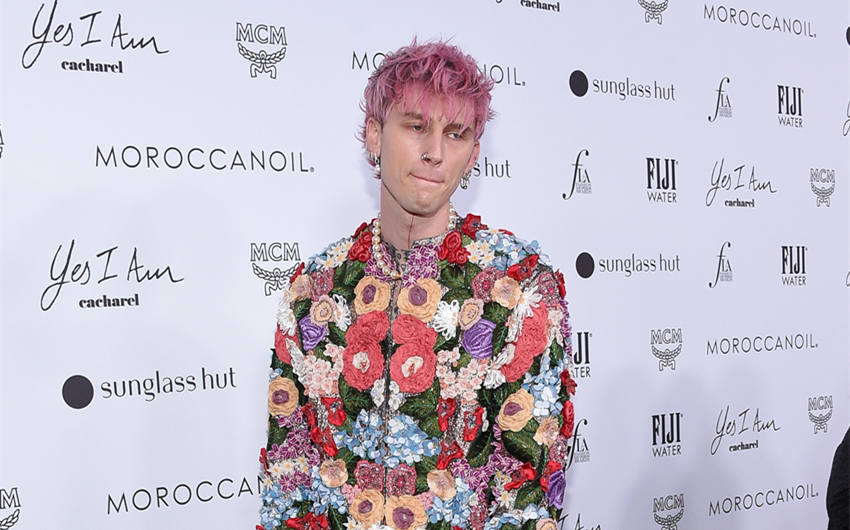
Machine Gun Kelly Net Worth in 2026: Estimates and How He Earns His Millions
Machine Gun Kelly net worth gets searched so often because his career doesn’t fit one label anymore. He’s a charting musician, a touring headliner, an actor, and a recognizable brand in fashion and pop culture. Since he doesn’t publish audited financial statements, any number you see is an estimate—but you can still make sense of it by looking at how his money is actually made and why the figure can shift year to year.
Who Is Machine Gun Kelly?
Machine Gun Kelly—often shortened to “mgk”—is the stage name of Colson Baker. He first broke through in hip-hop, then made a widely discussed pivot into pop-punk, building a second wave of mainstream success that broadened his audience beyond rap. Along the way, he’s taken acting roles, collaborated across genres, and turned his personal style into part of his commercial identity.
That multi-lane career matters for net worth. If you only look at streaming or album sales, you’ll miss how modern stars really build wealth. The biggest money usually comes when music becomes a platform for touring power, sponsorship leverage, and business ownership.
Estimated Net Worth of Machine Gun Kelly
Machine Gun Kelly’s net worth is most commonly estimated at around $25 million, with many discussions placing him in a broader $20 million to $30 million range. The range exists because celebrity net worth is rarely a clean math problem. It depends on what he owns, what he owes, what he keeps after taxes, and how much is tied up in private ventures that outsiders can’t accurately value.
It’s also important to separate two things people mix up online: income and net worth. An artist can have a huge earning year—especially during a tour cycle—and still have a net worth that seems “lower than expected” once you account for touring costs, management fees, business reinvestment, and taxes. Net worth is what’s left, not what’s earned.
Breakdown: Where Machine Gun Kelly’s Money Comes From
Music royalties and streaming income
Music is the foundation. MGK earns from his catalog through streaming and ongoing listening, plus revenue tied to releases, collaborations, and publishing-related income depending on how credits are structured. The key point is that catalog money can be steady. Even when an artist isn’t releasing monthly, the backlist keeps working in the background—especially if old songs keep getting rediscovered on playlists and social media.
His genre switch also matters financially. Building a second era of success tends to expand the audience, which can increase streaming volume and raise his leverage for everything else that follows: touring, merch, and partnerships.
Touring and live performance profit
For most modern artists, touring is where the money gets serious. Tickets, VIP packages, and festival bookings can generate enormous revenue in a short window. But touring is not “easy money.” A major tour has major expenses—crew salaries, buses, hotels, staging, lighting, sound, insurance, rehearsals, security, and production costs that can be staggering.
Still, when you can reliably sell venues, touring becomes the main cash-flow engine. It’s also the most visible proof that an artist is commercially strong right now. Even if streaming is steady, a big tour cycle is often what pushes net worth estimates upward because it creates a concentrated burst of high earnings.
Merchandise and direct-to-fan sales
Merch is easy to underestimate until you see how it stacks across a tour. For an artist with a strong visual identity, merch becomes more than a side hustle—it’s an extension of the brand. Shirts, hoodies, limited drops, accessories, and tour-exclusive items can produce meaningful profits, especially when demand is high and the product line is managed efficiently.
Merch also has a compounding effect: fans wearing the brand keep the artist visible in public spaces, which supports future album and tour cycles. It’s not always the biggest slice on its own, but it can significantly raise the profit per fan during peak moments.
Acting and entertainment income outside music
MGK has also built a parallel acting lane. Acting income varies widely depending on the size of the role, the type of production, and the contract terms, but it’s valuable for one simple reason: diversification. Music careers can be seasonal. Acting work can help stabilize income during stretches where touring slows down or when an artist chooses to step back from releases.
From a net worth perspective, this is part of what separates a “successful musician” from a “multi-platform celebrity.” Multiple lanes make the financial picture less dependent on a single album cycle.
Brand partnerships and sponsorship deals
Once a celebrity reaches a certain level of recognition, brands start paying for attention—not just talent. Sponsorships can be especially lucrative when an artist has a loyal audience, a distinct style, and consistent public visibility. Deals can include campaign fees, social deliverables, event appearances, and sometimes long-term partnerships.
This category is also one reason net worth estimates vary so much. Sponsorship contracts are private. Two artists can have similar visibility, but one might take frequent deals while the other picks only a few. One might receive a flat fee; another might have performance bonuses. Outsiders rarely know the structure, so estimates become guesswork.
Business ventures and ownership upside
The biggest wealth leap for many modern celebrities comes from ownership. When you own part of a company—rather than simply being paid to promote it—you can build an asset that grows over time. MGK has been publicly associated with a beauty brand in the nail space, and business ventures like that can contribute to net worth in two ways: cash flow (if the business produces profits) and equity value (if the company grows in value over time).
This is where celebrity money starts to look like entrepreneur money. A tour ends. An album cycle slows. But a business asset can keep earning and, if successful, become a meaningful part of long-term wealth.
What Can Pull the Net Worth Number Down
High overhead and the real cost of staying “on”
Big careers run on big teams. Managers, agents, lawyers, accountants, publicists, stylists, glam, security—these aren’t optional at a certain level. They’re the operating costs of being a high-visibility brand. Add in travel, production budgets, and the need to constantly create content and visuals, and you start to see why “huge revenue” doesn’t automatically equal “huge net worth.”
Touring in particular can look like a money printer from the outside, but the cost structure is intense. That’s why you can’t treat tour revenue as if it’s personal profit.
Taxes and income timing
Celebrity income can be spiky. One year might include a major tour, a big album cycle, and several campaigns. The next year might be quieter. Taxes don’t care that income is uneven, and big years can come with very large tax bills. This is another reason net worth estimates can feel surprising: the public remembers the biggest moments, while net worth reflects the full reality across years—high income years and slower ones.
Private finances are private
Net worth estimates can’t reliably account for private investments, property holdings, financing arrangements, or personal liabilities. That doesn’t mean the estimates are useless—it just means you should treat them like a reasonable range, not a verified statement.
Bottom Line
Machine Gun Kelly net worth in 2026 is best treated as an estimate, most commonly placed at around $25 million, with a realistic working range of $20 million to $30 million. The structure behind the number is straightforward: music and catalog income built the base, touring creates major cash-flow spikes, acting adds diversification, and business ventures introduce ownership upside that can grow beyond the album cycle. If you want the simplest way to judge any net worth claim you see online, ask one question: how much of his money is coming from one-time paydays, and how much is tied to assets that can keep paying long after the spotlight shifts?