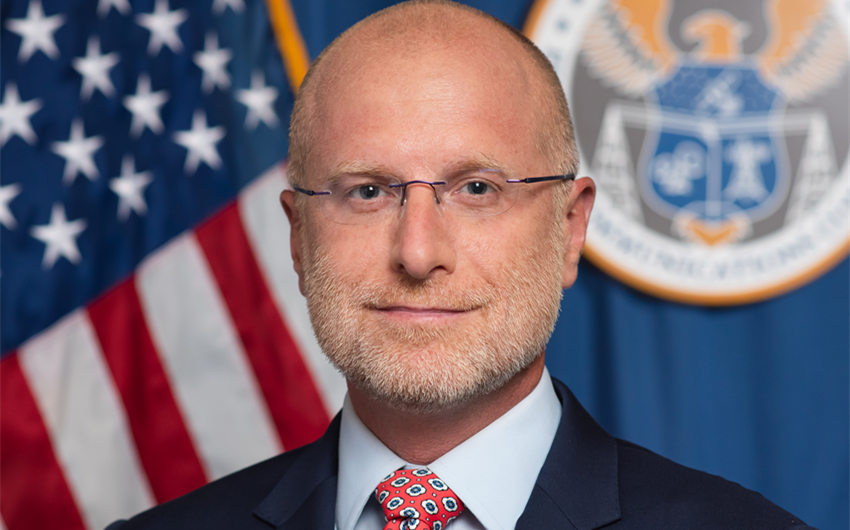
Brendan Carr: FCC Leadership, Policy Views, and His Influence on U.S. Communications
Brendan Carr has emerged as one of the most visible figures in U.S. communications policy, a space that directly affects how Americans access the internet, consume media, and use wireless technology. As chairman of the Federal Communications Commission (FCC), Carr oversees an agency whose decisions shape broadband expansion, broadcast regulation, and the future of telecommunications. His leadership has placed the FCC at the center of political and cultural debates, drawing attention well beyond traditional policy circles.
Who Is Brendan Carr?
Brendan Carr is an American attorney and federal regulator who currently serves as chairman of the Federal Communications Commission. His career has been built almost entirely within the world of communications law and policy, making him a long-standing insider rather than a political newcomer.
Carr joined the FCC in 2012, working in senior legal roles before being promoted to general counsel of the agency. His deep familiarity with FCC rules, court precedents, and administrative law positioned him as a key figure long before he became a commissioner.
Brendan Carr’s Career Before the FCC
Before his rise within the FCC, Carr worked as a lawyer specializing in communications and technology law. He spent time in private practice advising companies on regulatory compliance and telecommunications policy, experience that later informed his approach as a regulator.
This background is significant because FCC decisions often hinge on legal interpretation as much as political philosophy. Carr’s career reflects a blend of regulatory knowledge and litigation experience, giving him a detailed understanding of how agency actions are challenged—or upheld—in court.
Appointment to the Federal Communications Commission
Brendan Carr was first nominated to the FCC as a commissioner in 2017 and confirmed by the U.S. Senate. He was later renominated and reconfirmed, demonstrating bipartisan support for his technical qualifications, even as his policy positions became more controversial over time.
In January 2025, Carr was designated chairman of the FCC. Unlike a commissioner appointment, the chairmanship does not require a new Senate confirmation. The designation elevated him from one of five commissioners to the agency’s primary agenda-setter and public face.
Brendan Carr’s Role at the FCC
As FCC chairman, Carr wields significant influence over how the agency operates. While all commissioners vote on major decisions, the chair controls meeting agendas, sets enforcement priorities, and directs the FCC’s bureaus and staff.
The FCC’s responsibilities are broad, but Carr’s leadership particularly affects:
-
Broadband deployment and funding programs
-
Wireless spectrum allocation for mobile and satellite services
-
Broadcast and media regulation
-
Competition policy involving telecom mergers and acquisitions
These areas have real-world consequences for consumers, from internet availability in rural areas to the structure of the media landscape.
Key Policy Positions and Views
Carr is widely viewed as a regulator who favors limited government intervention and increased accountability for large media and technology companies. He has frequently raised concerns about what he describes as uneven enforcement of FCC rules and has questioned whether the agency should continue certain long-standing practices related to broadcast oversight.
His views on free speech, media bias, and regulatory authority have drawn both praise and criticism. Supporters argue that he is willing to challenge entrenched institutions and push back against what they see as overregulation. Critics argue that some of his positions risk politicizing an agency traditionally viewed as independent.
Brendan Carr and Political Controversies
Under Carr’s leadership, the FCC has become more prominent in political debates. One major controversy centers on the independence of the FCC itself. Carr has publicly argued that the commission should be considered part of the executive branch, subject to presidential control. This interpretation has been disputed by other commissioners and legal scholars who emphasize the FCC’s historical status as an independent agency.
Carr has also faced criticism from Democratic lawmakers over actions related to broadcast content and media oversight. Some have accused him of applying political pressure in ways that could chill free expression. These disputes have led to calls for oversight hearings and, in some cases, demands for his resignation.
At the same time, Carr’s supporters see these conflicts as evidence that he is willing to confront powerful interests and challenge what they view as ideological bias in media and technology regulation.
Brendan Carr’s Influence on Telecommunications Policy
Regardless of political perspective, Brendan Carr’s influence on U.S. telecommunications policy is substantial. As chairman, he helps determine:
-
How aggressively the FCC enforces its rules
-
Which policy initiatives move forward and which stall
-
How the U.S. positions itself in global competition for wireless leadership
His tenure comes at a time when broadband access is increasingly seen as essential infrastructure, and when debates over media trust and technology power are especially intense. Decisions made during his leadership could shape the regulatory environment for years, even after his term ends.
Personal Life and Public Image
Unlike many political figures, Carr keeps his personal life largely out of public view. His public image is driven almost entirely by his professional actions and statements rather than by personal branding or media appearances unrelated to policy.
What makes him unusual among regulators is his visibility. FCC chairs often operate behind the scenes, but Carr’s positions have placed him at the center of national conversations, making him recognizable even to people who normally do not follow telecommunications policy.
Brendan Carr’s Career Today and Future Outlook
As FCC chairman, Carr remains a key player in shaping how Americans connect, communicate, and consume information. His future influence will depend on several factors, including court challenges to FCC decisions, changes in presidential administrations, and shifts in congressional oversight.
Whether his approach becomes a lasting blueprint or a contested chapter in FCC history, Carr’s tenure underscores how powerful the role of regulator can be. Telecommunications policy may sound technical, but under leaders like Brendan Carr, it becomes deeply intertwined with politics, culture, and daily life.
Featured Image Source: fcc.gov