Bob Dylan Wife Sara: The Woman Behind His Most Haunting and Beloved Songs
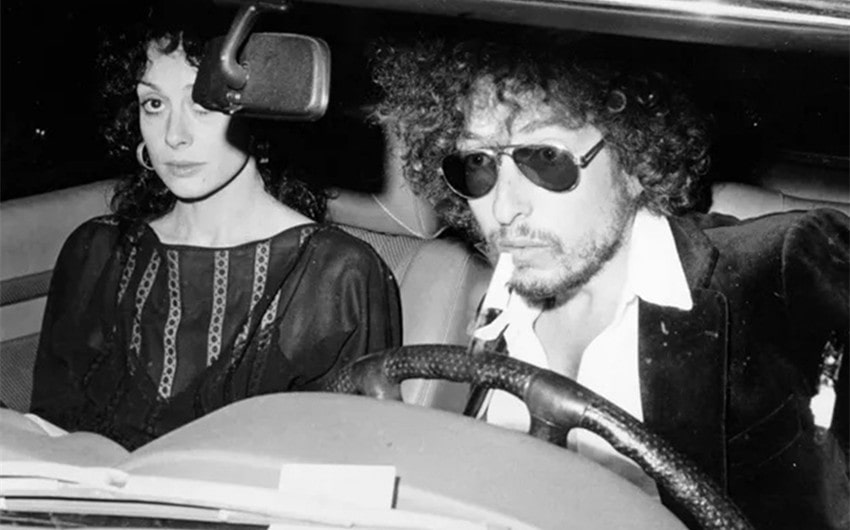
Many fans searching for Bob Dylan’s wife Sara want to understand the woman who stood beside one of the greatest songwriters in history during his most transformative years. Sara Dylan, born Shirley Marlin Noznisky, remains one of the most private, enigmatic, and influential figures in Dylan’s life. She was his first wife, the mother of several of his children, and the muse behind some of his most emotional and poetic songs. Although the marriage ended decades ago, Sara’s presence continues to echo throughout Dylan’s work, interviews, and legacy. This article explores who Sara was, how she and Dylan met, the life they built together, and why her influence remains so crucial to understanding Dylan’s music.
Who Is Bob Dylan?
Bob Dylan, born Robert Zimmerman in 1941, is one of the most significant figures in modern music. His songwriting reshaped folk, rock, and American culture through poetic lyrics, political commentary, and a distinctive voice that became instantly recognizable. Over his decades-long career, Dylan has won Grammy Awards, the Presidential Medal of Freedom, an Academy Award, and the Nobel Prize in Literature.
Despite the intense global fascination with his life, Dylan has always been fiercely private—especially about his relationships. This secrecy has fueled fascination with the one woman he married during his creative peak: Sara.
Sara Dylan — Early Life and Background
Before becoming known as Bob Dylan wife Sara, she was Shirley Marlin Noznisky, born in 1939 in Wilmington, Delaware. Her parents were Jewish immigrants from Russia, and she grew up in an environment that valued culture and resilience. As a young adult, Sara explored modeling and acting, eventually finding her way into the artistic circles of New York City in the early 1960s.
Before meeting Dylan, Sara was married to famed photographer Hans Lownds. During this marriage, she adopted the name “Sara,” which she continued using after their divorce. Her poise, beauty, and grounded personality made her a striking presence in the creative communities that thrived in Greenwich Village at the time.
How Bob and Sara Dylan Met
Bob Dylan and Sara first crossed paths around 1964–1965, a period when Dylan was at the height of his early fame. He had just electrified the folk world, revolutionized songwriting, and become the reluctant voice of a generation. Sara, calm and self-assured, stood out in a world filled with performers, artists, and admirers.
Their connection deepened quickly. Sara brought stability, gentleness, and privacy to Dylan’s chaotic, rising fame. Friends from the era described her as someone Dylan felt safe with, someone who grounded him while his career spiraled into international stardom.
Their relationship blossomed quietly but intensely, leading to marriage in 1965.
Marriage and Family Life
Bob Dylan and Sara were married on November 22, 1965, in a small, secret ceremony. The union was kept private from the public for nearly a year—a rare level of secrecy in the life of such a famous musician.
Together, they created a blended family:
-
Sara’s daughter, Maria, from her previous marriage, whom Dylan adopted
-
Their children: Jesse, Anna, Samuel, and Jakob (who later became the lead singer of The Wallflowers)
Despite Dylan’s demanding touring schedule and intense spotlight, the couple tried to build a peaceful home life in Woodstock, New York. Their house became a sanctuary—filled with art, creativity, and family routines. Dylan has often emphasized that the quiet, domestic years of the late 1960s were among the happiest of his life.
During this time, he stepped away from the public eye after a motorcycle accident in 1966, a retreat that many biographers suggest Sara helped facilitate.
Sara as Dylan’s Muse
Sara was not simply Dylan’s wife; she was the inspiration behind some of his most poetic and beloved songs.
“Sad-Eyed Lady of the Lowlands” (1966)
This 11-minute track, which fills an entire side of the Blonde on Blonde album, is widely believed to be written for Sara. Its ethereal lyrics portray a woman of intense beauty and mystery—qualities fans associated closely with her.
“Sara” (1976)
Perhaps the most deeply personal song Dylan ever released, “Sara” is a direct plea to his wife during a turbulent time in their marriage. In the song, Dylan openly references moments from their love story:
“I can still see the shells on the seashore…”
This emotional transparency was rare from Dylan, making the song even more poignant.
Other Songs Linked to Sara
Many fans and scholars believe that additional tracks from Blood on the Tracks, such as “You’re Gonna Make Me Lonesome When You Go,” draw inspiration from the highs and lows of their relationship.
Sara’s influence on Dylan’s art is profound. During the years of their marriage, his songwriting shifted from political and cultural commentary to themes of intimacy, family, and emotional complexity.
Challenges in the Marriage
Like many iconic couples, Dylan and Sara faced significant challenges. The pressures of fame, Dylan’s constant touring, the burden of being in the public eye, and the natural strains of raising a large family all took a toll.
By the mid-1970s, their relationship had become increasingly strained. Dylan’s rising involvement in new musical directions, coupled with emotional distance, contributed to their separation.
The heartbreaking honesty of the album Blood on the Tracks—released in 1975—reflects the turmoil of their marriage during this period.
Divorce and Life After
Bob and Sara Dylan divorced in 1977, but the separation was not filled with the bitterness often seen in celebrity divorces. They continued co-parenting their children, and Dylan always maintained a deep respect for Sara’s role in his life.
After the divorce, Sara retreated from public visibility. She never capitalized on her marriage, never wrote memoirs, and never sought to shape Dylan’s legacy through her own words. Her refusal to be in the public eye only increased her mystique.
Dylan rarely speaks about Sara today, but when he does, the tone is consistently one of fondness, reverence, and introspection.
Featured Image Source: rollingstone.com